Byadmin
How Technology Is Changing the Way We Preserve Family Memories
Family memories have always been preserved through stories, photographs, letters, and personal keepsakes. A faded photo album, a handwritten recipe, or an old home video can bring back details that might otherwise be forgotten. These items help families understand where they came from, remember important moments, and pass personal history from one generation to the next.
Today, technology is changing how these memories are collected, organized, restored, and shared. Smartphones allow people to capture everyday moments instantly, cloud storage keeps files accessible across devices, and digital tools can repair damaged photographs or convert old recordings into modern formats. Instead of keeping family history in one physical box, people can now build searchable digital archives that relatives can access from anywhere.
Technology is also making it easier to turn family history into creative personal projects. Someone creating a digital family archive, reunion website, printed memory book, or private video channel can use a logo maker to design a simple visual identity for the collection. A shared family symbol can make albums, videos, invitations, and digital folders feel more connected and meaningful without making the project overly formal.
From Photo Albums to Digital Archives
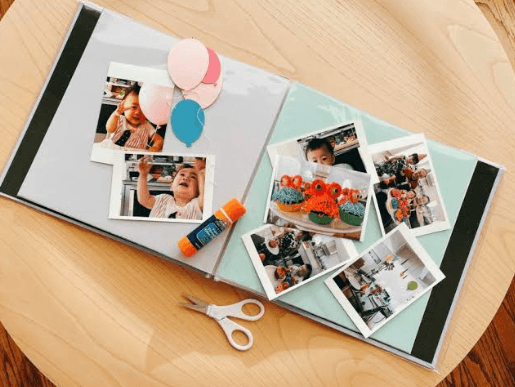
Traditional photo albums remain valuable because they offer a physical experience. Turning the pages, noticing handwritten notes, and seeing photographs arranged by a family member can feel deeply personal. However, physical albums are also vulnerable to moisture, sunlight, fire, loss, and natural deterioration.
Digital archiving gives families another layer of protection. Photographs can be scanned, documents can be copied, and videos can be converted into digital files. Once stored securely, these materials can be duplicated and backed up in several locations.
A digital archive also makes memories easier to organize. Instead of searching through several boxes, family members can create folders by year, event, location, or person. They can add descriptions, names, and dates so future generations understand what they are seeing.
The goal is not necessarily to replace physical keepsakes. In many cases, the best approach is to preserve the original object while also creating a high-quality digital copy.
Restoring Old and Damaged Photographs
Old family photographs often fade, tear, discolor, or develop scratches over time. In the past, restoring them required professional skills and expensive equipment. Modern editing tools have made basic restoration more accessible.
Digital software can improve contrast, remove dust marks, repair small tears, and sharpen details. Some AI-assisted tools can colorize black-and-white images or increase the clarity of low-resolution scans.
These features can reveal details that were difficult to see in the original photograph. A faded face may become clearer, or background objects may become recognizable for the first time.
However, restoration should be handled carefully. Heavy editing can change the character of the image or create details that were not originally present. Families should keep an untouched scan alongside any restored version so the original visual record remains available.
It is also helpful to label edited images clearly. Future relatives should be able to tell which files are direct copies and which have been digitally enhanced.
Saving Old Home Videos
Home videos often contain some of the most emotionally powerful family memories. They capture voices, movement, laughter, and small interactions that still photographs cannot preserve.
Many families have recordings on VHS tapes, camcorder cassettes, DVDs, or other formats that are becoming difficult to play. The equipment may no longer work, and the physical media can deteriorate.
Converting these recordings into digital files can protect them from further loss. Once digitized, videos can be stored on external drives, cloud platforms, or private family accounts.
Basic editing can also make the footage easier to watch. Long recordings can be divided into shorter clips, dates can be added, and unclear audio can sometimes be improved.
Families may create themed collections such as birthdays, holidays, school events, or travel memories. This makes the material more accessible than leaving everything inside a single multi-hour recording.
Still, the original files should be kept whenever possible. Editing is useful for viewing, but a complete copy preserves the full context.
Recording Family Stories
Photographs and videos show what happened, but they do not always explain why an event mattered. Personal stories provide context that images alone cannot capture.
Technology makes it easy to record audio or video interviews with parents, grandparents, and other relatives. A smartphone is often enough to begin.
The strongest interviews usually focus on specific memories rather than broad questions. Asking someone to describe their first job, childhood home, school routine, wedding day, or favorite family tradition often leads to richer stories.
Follow-up questions are important. Details about sounds, smells, people, places, and emotions make memories more vivid.
These recordings do not need to be professionally produced. A natural conversation can be more meaningful than a polished interview.
Families can also create written transcripts so stories remain searchable and accessible to people who prefer reading. Transcripts are especially useful when recordings are long or contain names and dates that future generations may want to find quickly.
Preserving Voices
A person’s voice is often one of the first things relatives fear forgetting after a loss. Voice notes, old answering-machine messages, videos, and recorded conversations can preserve the rhythm, tone, and personality of someone’s speech.
Modern phones make voice recording simple, but people rarely think about preserving ordinary conversations until later. Recording grandparents telling a familiar story, reading a favorite poem, or explaining a family recipe can become deeply meaningful over time.
Audio memories are also valuable for younger family members who may not have had the chance to know an older relative personally.
These recordings should be stored carefully and backed up. File names should include the person’s name, the date, and a brief description of the content.
Families should also ask permission before recording private conversations. Preserving memories should be respectful and should not make relatives feel observed or uncomfortable.
Creating Digital Family Trees
Family trees have become easier to build with online genealogy tools. People can organize names, relationships, birth dates, locations, photographs, and documents in one place.
A digital family tree can reveal patterns that are difficult to see in separate records. It can show how branches of a family moved between cities or countries and how relatives are connected across generations.
Some platforms also help users search public records, historical documents, and archived newspapers. This can uncover new information about ancestors.
However, online records are not always accurate. Names may be misspelled, dates may conflict, and different people may have similar identities.
Families should verify important details using several sources. Official documents, family records, interviews, and historical archives can help confirm information.
It is also wise to distinguish between verified facts and family stories. Both can be valuable, but they should not be presented as the same type of evidence.
Scanning Letters, Recipes, and Documents
Family history is often hidden in ordinary paper items. Letters, certificates, notebooks, diaries, recipes, postcards, and school records can reveal details about daily life.
Scanning these materials creates a backup and makes them easier to share. High-resolution images allow family members to zoom in on handwriting and small details.
Handwritten recipes are especially meaningful because they often carry more than instructions. Notes in the margins, ingredient substitutions, and personal handwriting can reflect the habits and personality of the person who used them.
Letters can provide insight into relationships, historical events, and experiences that were never discussed openly.
When scanning documents, families should capture both sides, even if the back appears blank. Notes, stamps, or marks may later prove important.
Files should also be named clearly. A title such as “Grandmother Anna_recipe_cherry cake_1984” is far more useful than a default scanner filename.
Organizing Thousands of Digital Photos
The convenience of smartphone photography has created a new problem: families now take far more pictures than they can realistically review.
Thousands of nearly identical images may remain scattered across phones, messaging apps, computers, and cloud accounts. Without organization, important photographs can become difficult to find.
A useful approach is to organize photos gradually. Families can begin with one year, event, or person rather than trying to sort everything at once.
Duplicates and blurry images can be removed, while the strongest photographs are placed in clearly named albums.
Adding captions is also important. A photo that seems obvious today may become confusing in twenty years. Names, locations, and event details give the image long-term meaning.
Face recognition and automatic search tools can help locate certain people, places, or objects. However, automated labels should be reviewed because they can be incorrect.
The goal is not to keep every photograph. A smaller, well-organized collection may preserve family history more effectively than an overwhelming archive.
Sharing Memories Across Generations
Digital tools make it easier for relatives in different cities or countries to contribute to the same family archive.
A shared folder can contain photographs, recordings, documents, and stories. Older relatives may provide names and explanations, while younger family members handle scanning and file organization.
This creates an opportunity for collaboration. One person may recognize a location, another may remember the date, and someone else may know the story behind the image.
Private websites, shared cloud albums, and family messaging groups can all support this process.
However, not every memory should be shared publicly. Family archives may include personal information, sensitive events, addresses, legal documents, or stories that living relatives consider private.
Families should agree on who can access the material and whether any content can be posted online.
A private archive can still be widely shared within the family without becoming publicly searchable.
Creating Digital Memory Books
Digital archives are practical, but they can sometimes feel impersonal. Turning selected memories into a designed book can make the material easier to enjoy.
A family memory book might focus on one person, one branch of the family, a wedding, a migration story, childhood memories, or a collection of recipes.
Photographs can be combined with short stories, captions, timelines, and scanned documents. The final book can remain digital or be printed as a physical keepsake.
The strongest memory books are usually selective. Instead of trying to include every image, they use a smaller number of meaningful items and provide enough context to tell a clear story.
Design should support the content rather than distract from it. Readable text, consistent layouts, and simple visual choices often work better than heavy decoration.
These books can become valuable gifts for birthdays, anniversaries, reunions, or major family milestones.
Using Video to Tell Family Stories
Short documentary-style videos are another way to preserve family history.
A video can combine photographs, home movies, voice recordings, music, and interviews into one narrative. It may tell the story of a grandparent’s life, a family business, a move to a new country, or a long-standing tradition.
Modern editing tools make this type of project more accessible, even for beginners. Templates, automatic captions, and simple transitions can reduce the technical difficulty.
The most important element is the story. A clear beginning, middle, and end will make the video more engaging than a random slideshow.
Families should also be cautious with copyrighted music, especially if the video will be published online. Original recordings, licensed tracks, or simple background audio are safer choices.
A private family video does not need to look professionally produced. Its value comes from the people, voices, and memories it preserves.
The Risk of Digital Loss
Digital files can feel permanent, but they are not automatically safe. Hard drives fail, phones break, passwords are forgotten, and online services can close or change their policies.
A strong backup system is essential.
A common approach is to keep at least three copies of important files: one on a main device, one on an external drive, and one in a secure cloud service.
The copies should not all be stored in the same physical location. A fire, flood, or theft could otherwise destroy everything at once.
Families should also review their archives every few years. Old file formats may become harder to open, and storage devices may need to be replaced.
Passwords and account access should be documented securely so trusted relatives can manage the archive when necessary.
Digital preservation is not a one-time project. It requires occasional maintenance.
Privacy and Consent
Family archives often contain information about people who did not choose to have their lives documented online.
Before sharing photographs, stories, health information, legal documents, or private correspondence, families should consider consent.
Some relatives may be comfortable with a photo appearing in a private album but not on social media. Others may not want certain personal stories included at all.
Children’s privacy deserves particular care. Images that seem harmless today may remain online for many years.
Technology makes sharing easy, but ease does not remove responsibility.
A respectful family archive should balance preservation with personal boundaries. When uncertainty exists, private storage is usually safer than public posting.
The Role of Artificial Intelligence
AI is beginning to play a larger role in family memory preservation.
It can help identify duplicate photographs, group images by person, improve damaged pictures, transcribe recordings, and organize large collections.
Some tools can animate old portraits or recreate missing details. These features may feel emotionally powerful, but they also raise questions about authenticity.
A restored image is different from a newly generated one. Families should be clear when AI has altered or created parts of a memory.
Artificially generated voices or videos should be treated with even greater caution. Recreating the appearance or speech of someone who has died may feel comforting to some people and disturbing to others.
The technology should be used thoughtfully, with respect for the person being represented and the feelings of surviving relatives.
Why Ordinary Moments Matter
People often focus on major events such as weddings, birthdays, graduations, and holidays. These are important, but ordinary moments can become just as meaningful over time.
A photo of a family kitchen, a recording of everyday conversation, or a video of children playing may reveal more about daily life than a formal celebration.
Small details change quickly. Furniture, clothing, local streets, family routines, and ways of speaking may feel ordinary now but become historically valuable later.
Preserving family memories does not require documenting every moment. It simply means recognizing that everyday life is part of the family story.
A few thoughtful recordings each year can create a rich record over time.
Building a Sustainable Family Archive
The best family archive is one that future generations can understand and maintain.
It should use clear folders, consistent file names, readable formats, and simple explanations.
Family members should know where the archive is stored and who is responsible for updating it. Important passwords and access instructions should be handled securely.
It may also help to create a short guide explaining how the collection is organized. This can include naming rules, backup locations, and the meaning of any labels.
The archive should be simple enough that other relatives can contribute without needing advanced technical knowledge.
A complicated system may be abandoned, while a clear one is more likely to grow over time.
Conclusion
Technology is changing family memory preservation by making it easier to scan photographs, restore damaged images, convert old videos, record stories, and share archives across generations.
These tools can protect fragile materials and give families new ways to organize and experience their history.
However, digital preservation also requires care. Files must be backed up, personal information should be protected, and AI-generated changes should be clearly identified.
The most meaningful archives are not necessarily the largest or most technologically advanced. They are the ones that preserve context, respect the people involved, and make stories understandable to future relatives.
By combining traditional keepsakes with thoughtful digital tools, families can protect both major milestones and ordinary moments. The result is more than a collection of files. It is a living record of relationships, experiences, and stories that might otherwise disappear with time.