ByJohn A
Why Cellular POC Radios Are Transforming Professional Communication in Mexico
Reliable communication is essential for teams that work across large facilities, busy streets, remote locations, and demanding operating environments. In Mexico, companies in logistics, construction, transportation, security, hospitality, and emergency response increasingly need more than a traditional two-way radio can provide. They need coverage, flexibility, fast group communication, and tools that fit naturally into modern operations.
That is where Push-to-Talk over Cellular, commonly called POC, is gaining attention. Instead of depending only on a local radio frequency or a nearby repeater, POC devices use cellular networks and data connectivity to connect users across cities, states, or even countries. For organizations evaluating this technology, RadioRed offers a useful starting point for understanding how radio over cellular works and where it can add value.
What Is Push-to-Talk over Cellular?
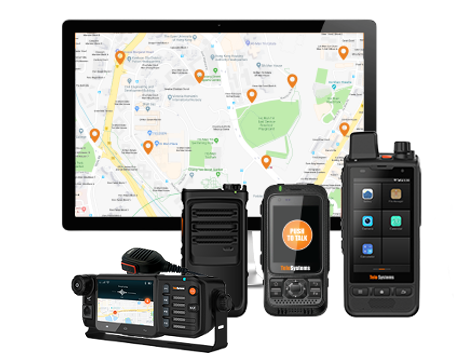
POC radio is a communication solution that combines the instant group-calling experience of a professional two-way radio with the reach of a mobile network. A user presses a button, speaks, and releases it, allowing a dispatcher or group of authorized users to hear the message with minimal delay. Depending on the platform and device, communication may be supported through cellular data, Wi-Fi, or both.
This approach is particularly useful when a team operates beyond the range of a conventional radio system. A company with personnel in Mexico City, Monterrey, Guadalajara, or a remote industrial site can create communication groups without building a separate radio network in every location. The result is a more scalable way to coordinate employees, vehicles, supervisors, and field personnel.
Why Mexican Businesses Are Considering POC Radios
Mexico’s varied geography and growing logistics activity create complex communication requirements. A delivery fleet may cross several municipalities during a single workday. A construction company may manage teams across multiple job sites. A hotel, shopping center, or industrial plant may need instant contact among security, maintenance, and operations personnel.
Traditional radio remains valuable, especially where dedicated coverage, low operating costs, or specialized equipment is required. However, a conventional system can face limitations when users travel outside its coverage area. POC helps address that challenge by using the existing cellular infrastructure, making it easier to connect distributed teams without deploying a repeater network for every region.
The technology can also support centralized management. Administrators may be able to create talk groups, assign permissions, review device status, and coordinate users through a web-based platform. These capabilities make POC more than a simple voice service; it can become part of an organization’s broader operational communication strategy.
Main Advantages of Cellular Radio Communication
The most important benefit is wide-area coverage. Where an appropriate mobile data connection is available, POC users can communicate well beyond the practical range of a typical handheld radio. This is useful for transportation companies, national service providers, security firms, and organizations with personnel in multiple branches.
Another advantage is rapid deployment. A conventional radio network may require frequency planning, infrastructure installation, programming, and ongoing maintenance. A POC solution generally requires compatible devices, an active service plan, and user configuration. This can simplify deployment for businesses that need to expand communication quickly.
POC platforms may also offer multimedia communication. In addition to voice, certain systems support text messages, images, location sharing, alerts, and other operational tools. These functions can help a dispatcher send a precise location to a driver, share a photograph of equipment, or notify a work group about a service interruption.
Finally, POC may improve fleet and workforce coordination. A supervisor can organize users by department, region, vehicle, or project. Group calls can reduce the need for repeated individual phone calls, while centralized controls can help organizations manage permissions and maintain a consistent communication structure.
| Communication need | Traditional radio approach | Cellular POC approach |
| Local team coordination | Highly effective within radio coverage | Effective within available data coverage |
| Multi-city communication | May require interconnected systems | Usually simpler to organize across regions |
| Deployment speed | Can require infrastructure and programming | Often faster with configured devices and service |
| Multimedia features | Depends on the radio system | Frequently available through the platform |
| Management | Radio programming and local administration | Centralized platform-based administration |
POC Compared with Smartphones
At first glance, a smartphone application may appear to offer the same functionality as POC radio. Both can use cellular networks and enable communication over long distances. The difference is that professional POC devices are designed around operational communication rather than general personal use.
A dedicated radio can provide a physical push-to-talk button, louder audio, glove-friendly controls, durable construction, and a simplified user experience. These details matter for workers who need to communicate while driving, wearing protective equipment, working outdoors, or performing tasks that make typing on a phone inconvenient.
A POC platform can also organize communication more efficiently than ordinary phone calls. A dispatcher may communicate with a predefined group immediately rather than calling several people one by one. Depending on the system, administrators can separate channels for security, maintenance, transport, and management while preserving appropriate access controls.
Choosing the Right Device for the Job
The best POC equipment depends on the environment, the user’s responsibilities, and the required level of durability. A compact handheld model may suit hotel staff, supervisors, and retail teams. A rugged portable radio may be more appropriate for construction, public safety support, utilities, or industrial operations. Vehicle-mounted equipment can improve accessibility for drivers and mobile crews.
Organizations should evaluate battery life, audio quality, water and dust resistance, screen design, GPS functionality, accessories, and compatibility with the selected communication platform. It is also important to confirm cellular compatibility in the regions where the equipment will operate. Coverage can vary by carrier and location, so a practical test is recommended before a large deployment.
For specialized environments, companies should ask whether the device is designed for intrinsically safe use. Locations with flammable gases, vapors, dust, or other hazardous conditions require equipment that meets the relevant safety requirements. A standard commercial radio should never be assumed to be suitable for a hazardous area without proper certification.
Accessories That Improve Daily Operations
The right accessories can significantly affect the usability of a communication system. Remote speaker microphones allow users to keep the radio attached to a belt or vest while speaking through a convenient shoulder-mounted control. Earpieces can improve privacy in hotels, hospitals, security operations, and customer-facing environments.
Vehicle chargers and multi-unit charging stations help keep teams ready for each shift. High-capacity batteries may be valuable for long workdays, while protective cases, antennas, and mounting solutions can extend the useful life of equipment. Businesses should consider these components during the initial planning stage rather than treating them as afterthoughts.
See also: 7 Days, 7 Unexpected Lessons From A 7 Day Yoga Retreat In India
Planning a Successful POC Deployment
A successful implementation starts with a clear communication map. The organization should identify who needs to speak with whom, which groups require priority access, where users will work, and what information must be shared during normal and emergency operations. This analysis helps prevent an overly complicated channel structure.
The next step is to test the service in real operating conditions. Indoor coverage, rural routes, underground areas, industrial buildings, and high-traffic locations may behave differently from an office environment. Testing should include voice quality, latency, battery performance, location functions, and the ease of managing talk groups.
Training is equally important. Users should know how to select a group, use the push-to-talk button, report a problem, charge the device, and follow communication protocols. Supervisors and dispatchers may need additional training in platform administration, incident coordination, and user permissions.
The Future of Professional Radio in Mexico
As mobile networks continue to evolve, POC communication is likely to become more capable and more integrated with business operations. Faster data services can support richer location tools, improved dispatching, connected sensors, and more detailed field reporting. Artificial intelligence and automation may eventually help prioritize alerts, summarize incidents, or route information to the right team.
Even with these advances, the fundamentals remain unchanged: communication must be dependable, easy to use, and appropriate for the environment. POC is not automatically a replacement for every conventional radio system. In many cases, the strongest solution combines cellular POC with portable, mobile, marine, aerial, repeater, or specialized radios according to the organization’s coverage and safety requirements.
Companies comparing communication options can explore RadioRed’s radio communication solutions to identify equipment and accessories suited to different professional environments. Its product focus includes recognized brands and categories that can help organizations build a communication system around their actual operating needs.
Final Thoughts
Cellular POC radios offer Mexican businesses a practical way to connect distributed teams with the speed of push-to-talk communication and the broad reach of cellular networks. They can simplify deployment, support centralized management, and add useful multimedia and location capabilities.
Before choosing a system, organizations should examine coverage, device durability, safety certifications, battery requirements, accessories, training, and long-term support. With careful planning, POC can strengthen daily coordination while complementing the specialized radio equipment already used by transportation, security, industrial, maritime, aviation, and field-service teams.
For a closer look at this communication category, visit RadioRed’s POC radio guide and compare the available options for your operation.