ByJohn A
A Practical Introduction to Modern Electric Vehicle Ownership
The transition toward electric mobility has changed the way people think about personal transportation. Instead of focusing only on fuel consumption and engine performance, drivers considering an electric vehicle also need to electric vehicle understand charging, battery capacity, range, software, energy consumption, and home parking arrangements.
Modern electric vehicles can provide a quiet and responsive driving experience, but successful ownership depends on matching the vehicle with the driver’s lifestyle.
What Is an Electric Vehicle?
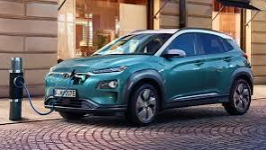
An electric vehicle uses electric motors powered by a rechargeable battery rather than relying primarily on an internal combustion engine.
This changes several aspects of driving. Instead of visiting a fuel station regularly, owners may charge the vehicle at home, work, or public charging locations.
The driving experience can also feel different because electric motors can deliver power smoothly and directly.
Understanding Daily Range
Range is one of the most discussed electric vehicle specifications.
However, advertised figures are measured under standardized testing conditions and may differ from real-world results. Weather, speed, traffic, terrain, driving habits, and climate control can affect actual energy consumption.
Drivers should therefore compare expected range with their normal daily distance rather than assuming the official figure will always be achieved.
Charging at Home
Home charging can be convenient for drivers with suitable parking arrangements.
Instead of making a separate trip to refuel, an owner may be able to charge while the vehicle is parked overnight or during another extended period.
Installation requirements depend on the property and charger, so homeowners and tenants should check technical and permission requirements before arranging equipment.
Public Charging
Public charging networks provide another option.
They can be useful for drivers who do not have convenient home charging or need additional energy during longer journeys.
Charging locations, connector compatibility, charging speed, and payment arrangements should be checked before relying heavily on public infrastructure.
Fast Charging
Different chargers provide different levels of power.
Fast charging can reduce the time required to add energy, making it useful during longer trips. However, charging speed can depend on the vehicle, charger, battery condition, temperature, and other factors.
Drivers should consider how often they will actually need fast charging rather than selecting a vehicle solely around its maximum charging specification.
Battery Capacity
Battery capacity is usually expressed in kilowatt-hours.
A larger battery can provide greater energy storage, but it can also contribute to vehicle weight and cost.
The right battery size depends on the driver’s travel pattern. Someone making short urban journeys may not need the same capacity as someone regularly traveling long distances.
Electric Driving Experience
Electric vehicles can feel different from traditional cars.
Acceleration is often smooth, and the absence of conventional engine noise can create a quieter cabin environment.
Regenerative braking can also affect the driving experience by allowing the vehicle to recover some energy during deceleration.
Drivers may need a short adjustment period before these characteristics feel natural.
Technology and Software
Modern electric vehicles are increasingly software-driven.
Touchscreens, navigation, mobile connectivity, charging information, driver assistance, and software updates can all form part of the ownership experience.
When comparing models, consider whether the technology is intuitive and useful rather than simply counting features.
Maintenance
Electric vehicles have different mechanical systems from traditional combustion vehicles.
They do not require some engine-related maintenance associated with conventional powertrains, but tires, brakes, suspension, cooling systems, and other components still require attention.
Maintenance requirements vary by manufacturer and model, so buyers should review the relevant service schedule.
Choosing the Right Vehicle
Vehicle size remains important even when the powertrain is electric.
A compact car may be easier to park in urban areas, while an SUV may provide additional passenger and cargo space.
Other considerations include range, charging, performance, interior comfort, driver assistance, warranty coverage, and total ownership costs.
Online configurators can help shoppers compare available versions and equipment before arranging a test drive.
Total Cost of Ownership
Purchase price is only one component of ownership.
Electricity costs, insurance, servicing, tires, charging equipment, parking, financing, and depreciation can all affect the long-term financial picture.
Comparing total expected costs provides a more useful perspective than looking only at the initial price.
Three Common Questions
1. Do electric vehicles need regular charging?
Yes. The battery needs to be replenished through appropriate charging equipment. How frequently charging is required depends on driving distance and vehicle range.
2. Is home charging necessary?
No, but it can be convenient. Drivers without home charging may rely on public charging networks depending on availability and travel patterns.
3. Does an electric vehicle require less maintenance?
Electric vehicles have fewer conventional engine-related components, but they still require maintenance for tires, brakes, suspension, battery systems, and other components.
Conclusion
Electric vehicle ownership involves a different approach to transportation, with charging and battery management becoming part of everyday planning. Drivers should consider range, charging access, vehicle size, technology, comfort, maintenance, and total ownership costs.
The most suitable electric vehicle is the one that fits the driver’s real travel requirements. By understanding those requirements first and comparing vehicles carefully, buyers can approach the transition to electric mobility with greater confidence.