ByJohn A
Understanding Eyeglass Anatomy: What Every Wearer Should Know
When you put on a pair of glasses, you probably do not think about how many small pieces work together. You simply slip them on and enjoy clear vision.
However, every pair of frames is a carefully designed piece of engineering. Understanding the main components of your frames helps you choose comfortable glasses that fit your face perfectly. It also makes it much easier to repair or adjust your frames if something breaks.
Whether you wear everyday frames or stylish reading glasses for men, knowing frame anatomy gives you full control over your eyewear comfort.
1. The Front Frame Assembly: Holding Your Lenses Securely
The front section of your glasses is the most visible part. It holds the lenses in place directly in front of your eyes and sets the style for your look.
The main part of the front assembly is the rim or lens frame. Rims surround the optical lenses to protect them from chipping or falling out. Frames come in full-rim, semi-rimless, or completely rimless designs.
Another critical component is the bridge. The bridge is the piece that spans the top of your nose and connects the left and right rims. It supports a lot of the total weight of your frames.
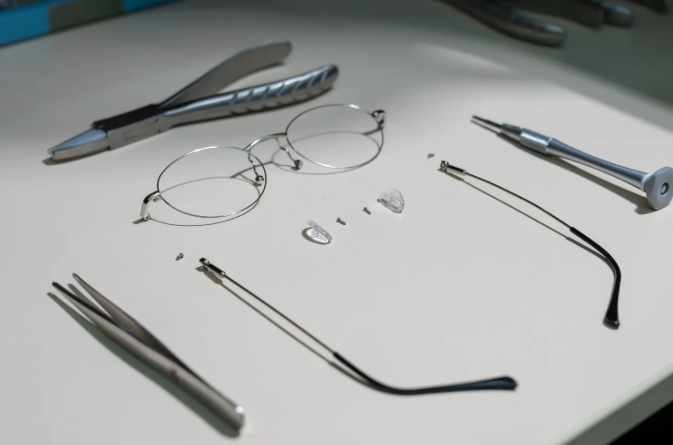
To learn more about how these front components connect, exploring a guide on the parts of glasses gives you a complete breakdown of every individual piece.
Proper front frame fit prevents your glasses from slipping down your face or pinching the bridge of your nose during long work hours.
See also: What Happens When You Lose Access to Your Crypto Wallet?
2. Nose Pads and Pad Arms: Ensuring Proper Balance
Below the bridge sit the nose pads and pad arms. These tiny components play a massive role in your everyday wearing comfort.
Nose pads are the soft plastic or silicone pads that sit directly against the sides of your nose. They distribute the frame weight evenly so you do not get red marks or skin irritation.
Metal frames usually feature adjustable nose pads mounted on thin metal wires called pad arms. You can bend pad arms slightly to raise or lower how the frames sit on your face.
Plastic and acetate frames often have built-in nose pads molded directly into the frame. These fixed nose pads offer a clean look and require zero adjustment.
Here is a quick look at how different nose supports work:
- Adjustable silicone pads: Provide high grip and work great for narrow nose bridges.
- Molded plastic bridges: Offer smooth comfort for wider nose bridges.
- Saddle bridges: Spread frame weight broadly across the nose for maximum comfort.
3. Temples and Hinges: Connecting the Frame to Your Ears
The long side arms that extend from the front frame back to your ears are called temples. Temples keep your glasses secure on your head throughout the day.
Temples consist of three distinct sections:
- The temple front: Connects directly to the front frame via small hinges.
- The temple shaft: The long straight bar that runs along the side of your head.
- The temple tip or earpiece: The curved end piece that rests comfortably behind your ear.
Connecting the temples to the front frame are small metal hinges held together by tiny screws. Standard hinges pivot open and closed easily.
Spring hinges feature built-in springs that allow the temples to flex outward slightly without snapping. Spring hinges offer a flexible fit for wider faces and withstand daily wear and tear.
4. Why Eyeglass Measurements Matter for Your Fit
Inside the temple arm of most modern glasses, you will find a small series of printed numbers. These numbers list key frame measurements in millimeters.
A standard frame measurement reading looks like this: 52-18-140.
Here is what those numbers mean for your frame fit:
- 52 mm (Lens Width): The horizontal width of one lens at its widest point.
- 18 mm (Bridge Width): The distance between the two lenses over your nose.
- 140 mm (Temple Length): The total length of the temple arm from hinge to tip.
Matching these dimensions to a pair of frames that already fits you well guarantees your next online purchase sits comfortably on your face right out of the box.
Frequently Asked Questions
What are the main parts of an eyeglass frame?
The main parts of an eyeglass frame include the front rims, bridge, lenses, nose pads, pad arms, hinges, screws, and temple arms with curved end tips.
What is the difference between spring hinges and standard hinges?
Standard hinges open only to a 90-degree angle. Spring hinges feature internal springs that allow temple arms to bend outward beyond 90 degrees, offering extra durability and flexibility.
Can I adjust my eyeglass nose pads at home?
Yes, you can adjust metal pad arms gently using your thumbs or small optical pliers. Adjust them slowly to avoid bending or breaking the thin metal wires.
Where can I find my frame size numbers?
Frame size measurements are usually printed in white or gold ink on the inner side of one temple arm or behind the nose bridge.
Why do my glasses keep slipping down my nose?
Glasses slip down when the bridge width is too wide, the temple arms are too loose, or the nose pads need to be bent closer together.
Conclusion
Understanding eyeglass anatomy turns shopping for frames from a guessing game into a confident decision. Knowing how rims, bridges, nose pads, and temples interact ensures you pick comfortable frames every single time.
When your frames fit your face shape and measurements correctly, you enjoy crisp vision without annoyance or skin irritation.
Take a moment to check the numbers inside your current favorite pair today. Understanding your frame fit makes upgrading your daily eyewear simple, fast, and stress-free.