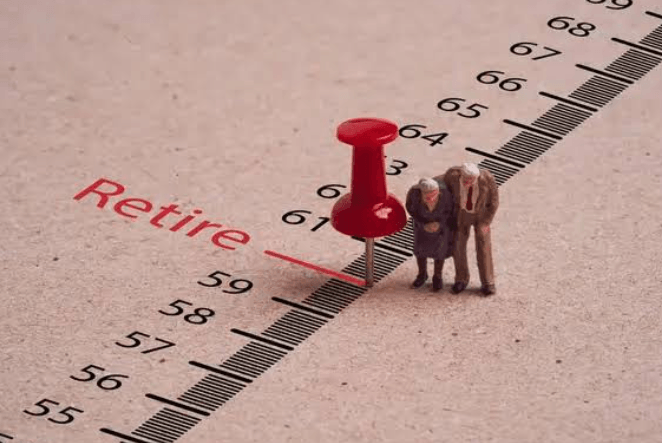

Retirement is a major financial transition. For many people, it means moving from regular employment income to savings, investments, pension benefits, or other sources of funds. Preparing for this change requires time, realistic expectations, and an understanding of future living costs.
A retirement plan should consider more than the amount of money accumulated during working years. It should also address spending habits, healthcare needs, inflation, family responsibilities, and the lifestyle a person hopes to maintain.
Start Planning Earlier Than Expected
Beginning retirement planning early can provide more time to build savings and adjust contributions. Even modest amounts saved consistently may become meaningful over a long period, depending on investment returns, fees, inflation, and other factors.
People who begin later can still take useful steps. They may need to review their current assets, estimate future expenses, and identify realistic ways to increase savings or adjust their expected retirement age.
The important point is to make decisions based on the time available and the resources already in place.
Estimate Future Living Expenses
A retirement budget should reflect the lifestyle a person expects to maintain. Some expenses may decrease after employment ends, such as commuting costs or work-related spending. Others may increase, including healthcare, leisure activities, or support for family members.
Common retirement expenses include:
- Housing and property maintenance.
- Food and household essentials.
- Utilities and transportation.
- Medical appointments and healthcare.
- Insurance premiums.
- Travel and recreational activities.
- Support for dependants.
- Unexpected repairs or emergencies.
It is important to account for inflation. The cost of goods and services may rise over time, meaning that the same amount of money may not provide the same purchasing power in the future.
Understand Different Sources of Retirement Income
Retirement income may come from several sources. These can include personal savings, investment portfolios, pension arrangements, rental income, or part-time work.
Each source has different characteristics. Some may provide regular payments, while others depend on investment performance or market conditions.
A useful retirement plan identifies which sources are expected to cover essential expenses and which may support discretionary spending. It should also consider how income may change over time.
Individuals should avoid assuming that investment returns will remain constant. Market performance can vary, and withdrawals during periods of poor performance may affect the sustainability of a portfolio.
Consider Healthcare and Protection Needs
Healthcare is an important part of retirement planning because medical needs and expenses may change with age. Individuals should understand what healthcare arrangements they already have and whether additional coverage may be appropriate.
Insurance products have specific eligibility requirements, exclusions, limits, and premium structures. These should be reviewed carefully, particularly when considering coverage later in life.
It is also useful to maintain accessible savings for expenses that are not covered by a policy. Insurance and savings can serve complementary purposes within a broader retirement strategy.
Manage Debt Before Retirement
Entering retirement with significant debt can place pressure on a reduced or changing income. Where possible, individuals may want to review outstanding loans and develop a repayment strategy before leaving full-time employment.
Not every debt needs to be repaid immediately, and decisions depend on interest rates, available savings, and other financial considerations. However, understanding the cost and repayment schedule of each liability is essential.
A clear debt plan can help retirees estimate how much income will remain available for everyday living expenses.
Plan for Inflation and Longer Life Expectancy
Retirement may last for several decades. A person who stops working in their early sixties may need resources for a long period, making inflation and longevity important planning considerations.
A retirement strategy should balance the need for income with the need to preserve purchasing power. Keeping all savings in cash may reduce exposure to market volatility, but it may also limit long-term growth. Investing can offer growth potential, but it involves risk and possible losses.
The right balance depends on personal circumstances, risk tolerance, time horizon, and financial objectives.
Review the Plan Regularly
Retirement planning should be updated as circumstances change. Changes in health, family responsibilities, investment performance, and living costs may affect the original plan.
Reviewing income sources, spending, savings, and protection arrangements can help identify whether adjustments are needed.
The Retirement information page can be a starting point for exploring retirement-related information. Individuals should assess any financial product based on its actual terms and their own needs.
Conclusion
A comfortable retirement is supported by preparation, realistic budgeting, diversified income planning, and an understanding of future risks. Starting early can provide more flexibility, while regular reviews help keep the plan aligned with changing circumstances. By considering living costs, healthcare, debt, inflation, and longevity, individuals can work towards greater financial independence in retirement.
FAQs
1. When should someone start planning for retirement?
It is generally helpful to start as early as practical, because a longer saving period can provide more time to build resources and adjust the plan.
2. What expenses should be included in a retirement budget?
Housing, food, utilities, healthcare, transportation, insurance, leisure, family support, and unexpected costs should all be considered.
3. Should retirement savings be invested?
Investment decisions depend on an individual’s time horizon, risk tolerance, income needs, and financial circumstances. Investments can rise or fall in value.