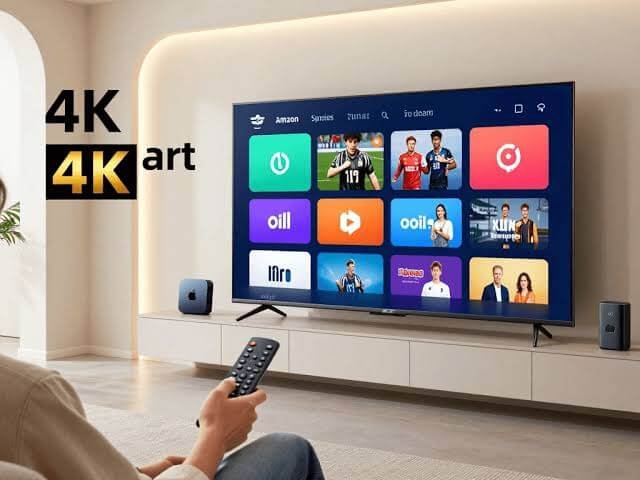

High-resolution streaming can make television and immersive video feel more detailed, but picture quality depends on more than a 4K label. The source, internet connection, playback device, display, audio, and account settings all influence the final experience. A little preparation can reduce buffering, improve comfort, and make it easier to enjoy content across different screens.
For adults comparing Falcon IPTV, the supplied page describes an Arabic-focused IPTV offering available to viewers in multiple regions, including Europe, America, Asia, and the Gulf. It also lists packages with 4K availability and support for several types of devices. Viewers should confirm current plan details, lawful availability, and technical requirements before subscribing.
What 4K Means for Streaming
Consumer 4K video generally refers to a display resolution of 3,840 by 2,160 pixels. Compared with Full HD, it can show more fine detail, especially on a larger screen or when viewed from a suitable distance. Textures, edges, and small objects may appear clearer, although the improvement depends on the source and the display.
Resolution is only one part of image quality. Compression, color, contrast, frame rate, lighting, and camera quality can change how a program looks. A well-produced HD stream may appear better than a heavily compressed 4K stream. Viewers should therefore evaluate the whole service and setup instead of assuming that the largest resolution number guarantees the best picture.
Not every channel or program will necessarily be available in 4K. A service may support the format while some live feeds, older programs, or regional content remain in HD or Full HD. Check the provider’s current descriptions and understand the difference between a compatible device, a 4K-capable plan, and content that is actually delivered in Ultra HD.
Match the Service to Your Devices
Before choosing a subscription, list the devices that will be used for viewing. Smart televisions, Android devices, Apple TV equipment, phones, tablets, laptops, and desktop computers can have different application and browser requirements. A service that works well on one platform may have different controls or playback behavior on another.
The Falcon IPTV page lists support for Android devices, smart screens, iPhone and iPad equipment, Apple TV, computers, laptops, and Mac systems. Device compatibility can change as applications and operating systems are updated, so users should review the latest instructions rather than relying only on an old setup guide.
A dedicated streaming device may offer a simpler interface than a television’s built-in browser. A computer may provide easier account management, while a smart-TV application can be more convenient for everyday viewing. The best choice is the device that provides stable playback, clear controls, regular software updates, and a comfortable viewing position.
Test Your Internet Connection
4K streams use more data than standard-definition or many HD streams. A connection that seems adequate for browsing may struggle when several people are streaming, gaming, downloading files, or using video calls at the same time. Network performance can also change during busy evening periods.
Run speed tests at the location where the television or headset is installed and at the times when the household normally watches. A single result is not a guarantee, but repeated tests can reveal whether the connection is stable. If performance varies substantially, the problem may involve Wi-Fi coverage, router placement, interference, or congestion from other devices.
A wired Ethernet connection can be useful for a television or streaming box near the router. Wi-Fi may work well when the signal is strong and the network is not overcrowded. Moving the router, using a modern access point, or selecting a less congested wireless band may improve consistency, although the best solution depends on the home.
Reduce Buffering Before Lowering Quality
Buffering can come from the local network, the playback device, the application, or the service’s delivery system. Begin with simple checks. Pause large downloads, close unused applications, restart the network equipment if appropriate, and confirm that the television or streaming device has current software.
If only one device buffers, compare it with another device on the same network. This can indicate whether the issue is related to the application, hardware, or Wi-Fi signal. If every device experiences interruptions at the same time, the network or service may be the more likely source.
Automatic quality adjustment can sometimes provide a smoother experience than forcing the highest setting. A stable image with occasional resolution changes may be preferable to a 4K stream that repeatedly stops. Once the connection is reliable, increase quality gradually and observe how the system performs during a longer session.
Check the Display and Cables
The television or monitor must support the intended resolution, but other parts of the setup matter too. An older HDMI cable, an incompatible port, or incorrect device settings can prevent a 4K signal from reaching the screen. Check the display input, output resolution, refresh-rate options, and any high-dynamic-range settings supported by the equipment.
Not every HDMI port on a television necessarily supports the same capabilities. The device manual can show which input should be used. If a connected box displays only HD, test another port or cable before assuming that the service does not provide a higher-resolution signal.
Picture modes should be adjusted for the room. A very bright setting may be uncomfortable in a dark space, while a dim image can lose detail in a brightly lit room. Motion processing may help some live content but can make films appear artificial. Compare settings using the same program and choose the presentation that looks natural rather than simply selecting the most intense mode.
Pay Attention to Audio
Clear sound improves the experience just as much as a sharp picture. Dialogue should be easy to understand without requiring uncomfortable volume. A television’s built-in speakers may be adequate in a small room, while a soundbar or headphones may work better for a larger space or late-night viewing.
Check whether the streaming device, television, and audio equipment use compatible output settings. If sound disappears or becomes delayed, review the audio mode and connection before changing multiple settings at once. Wireless headphones can improve privacy, but their battery level and connection stability should be checked before a long session.
Keep volume at a comfortable level and take breaks from headphones. Better audio does not require unsafe listening levels. A balanced setup with clear voices is often more useful than maximum volume or excessive bass.
Use Adult Content Responsibly
The supplied Falcon IPTV page is an adult-oriented landing page, so age and privacy controls should be treated as part of the setup. Adult material should be accessed only by people who are at least 18 or have reached the applicable age of majority in their jurisdiction, and only where viewing is lawful. Do not provide mature content to minors.
If a household shares a television, create separate profiles or use a PIN when the platform offers one. Sign out of adult accounts when necessary, protect saved passwords, and keep notifications or thumbnails from appearing on shared screens. A private viewing environment also reduces the risk of accidental exposure to guests or children.
Users should respect consent and privacy when viewing, recording, or sharing digital media. Do not copy or redistribute another person’s content without authorization. Check the provider’s terms of service and privacy policy, especially before downloading files or using a new application.
Review Plans and Content Details
Plans may differ in duration, resolution, device support, channel selection, video-on-demand access, customer support, or activation process. Read the current terms before paying and confirm which features are included in the specific package being considered. A plan that lists 4K does not necessarily mean that every channel or title is produced in that format.
Also check how content is organized. A useful guide, search tool, electronic program guide, or clear category structure can make a large library easier to navigate. If a service offers both live channels and on-demand content, understand how each type is accessed and whether playback works differently on different devices.
When a provider describes worldwide or multi-region availability, viewers should still confirm local restrictions. Licensing, language, sports rights, and content access can vary by country. Technical access does not automatically establish that every item is authorized for viewing in every location.
Keep the Device Private and Updated
VR headsets, smart televisions, computers, and mobile devices can store account credentials, viewing history, downloads, payment details, or application data. Use a unique password and enable multi-factor authentication when available. Review which applications can use the microphone, camera, location, or local storage.
Install system and application updates from trusted sources. Avoid unofficial applications, copied credentials, and suspicious download links. If a device is sold, repaired, or given to someone else, sign out and remove personal data first.
Private browsing can reduce local browser history, but it does not make activity invisible to the service provider, network administrator, or internet provider. Privacy settings should be understood as one layer of protection rather than a guarantee of anonymity.
See also: The Complete Guide to Protectively Stylizing with Human Hair Crochet Extensions
Create a Simple Viewing Routine
A reliable routine can prevent many technical problems. Keep the router and streaming device ventilated, update software, and check storage before downloading. Test the connection if a service behaves differently from normal. Clean the display and remote controls according to manufacturer guidance, and avoid blocking ventilation openings.
For longer viewing sessions, take breaks and adjust the room lighting to reduce eye fatigue. Sit at a comfortable distance, keep the screen at a natural height, and avoid watching through a device that is overheating. If a user experiences headaches, dizziness, or nausea, stop viewing and take a break.
A Practical 4K Checklist
Before subscribing or starting a long session, confirm that the chosen plan supports the desired content and that the device is compatible. Test the home connection, check the display input and cables, and select a picture mode that suits the room. Review audio output and keep a backup option available if the primary device fails.
For adult-oriented content, verify age eligibility, local legality, privacy settings, account security, and parental controls. Keep adult profiles separate from children’s access. Finally, review the provider’s current terms, refund information, support options, and instructions before making a purchase.
Final Thoughts
A good 4K IPTV experience depends on the entire system, not just a resolution label. The source must provide suitable content, the network must deliver it consistently, the device must decode it correctly, and the display must be configured well. Privacy, comfort, age controls, and lawful use are equally important when a service includes mature entertainment.
For adults researching falcon-p.com, the supplied page provides information about Falcon IPTV’s adult-oriented packages, device compatibility, regional reach, and listed 4K options. Review those details carefully and confirm the current requirements before using the service. A thoughtful setup can make high-resolution streaming easier, safer, and more enjoyable.