
You sit in the chair expecting a simple cosmetic visit, then the mirror comes out and the shade looks off. Maybe the tooth seems lighter than it did at home, or the veneer sample that looked right at first suddenly feels too bright. That confusion is common, and it usually starts with one thing people do not realize is happening, especially during restorative and cosmetic dentistry in Markham. Teeth dry out fast during treatment, and dry teeth do not show color the same way hydrated teeth do.
That matters more than most people expect. If a dentist matches a crown, veneer, or bonding material while your tooth is dehydrated, the final result can miss the mark once saliva rehydrates the enamel and the natural shade returns. In plain terms, a tooth can look whiter during the appointment than it really is. For anyone investing time and money into cosmetic work, that can feel frustrating fast.
Tooth dehydration changes how enamel reflects light during cosmetic dentistry
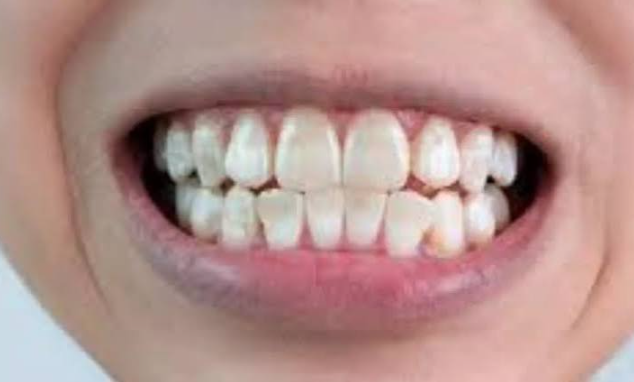
Natural teeth are not solid blocks of one color. Enamel is translucent, dentin underneath adds warmth, and moisture affects the way light passes through both. When a tooth dehydrates, the enamel becomes less translucent and more opaque. That shift makes the tooth appear lighter and chalkier than normal. A tooth shade change from dehydration can happen in a short window, especially when lips are retracted, the tooth is isolated, or air dries the surface during treatment.
You may not notice the process itself. You only notice the result. The shade tab or digital scan seems to match in the chair, then the restoration looks different later. That is not vanity. It is optics and biology. Research on color stability and restorative shade selection has shown that dehydration can create measurable color differences that affect matching accuracy, as discussed in this PubMed review on tooth dehydration and shade selection.
The risk grows during longer appointments. Veneer planning, composite bonding, smile design, and try in visits can all expose teeth to drying for extended periods. Whitening consults can add another layer, because patients often come in focused on brightness and may already be comparing tiny shade differences very closely.
See also: How Family Dentistry Supports Patients At Every Stage Of Life
Small shade errors can create big disappointment after cosmetic treatment
A mismatch does not have to be dramatic to bother you. Front teeth sit in full view every time you talk, laugh, or take a photo. If one veneer reads too bright, or one bonded edge looks flatter and more opaque than the neighboring tooth, your eye goes straight to it. You may hear, “No one else will notice,” but you notice, and that is enough.
There is also a cost issue. If the restoration needs to be adjusted, remade, or polished to improve the blend, that can mean more visits and more expense. Sometimes the shape is perfect and the fit is perfect, but the color was chosen at the wrong moment. That is one reason careful cosmetic planning matters so much in shade matching during dental treatment.
Current literature also supports the idea that hydration status changes visual and instrumental color readings. A recent study indexed on PubMed about hydration related color variation in teeth adds to what clinicians already see in practice. Another open access review on color science and dental materials explains how moisture, translucency, and viewing conditions can affect matching outcomes in restorative care, which you can read here.
Good cosmetic dentistry accounts for dehydration before the final shade is chosen
A careful dentist does not treat shade as a quick side step. Timing matters. Lighting matters. Hydration matters. In many cases, the best approach is to record shade early, before prolonged isolation dries the teeth out. Some dentists also let teeth rehydrate before confirming a final match, especially for visible cosmetic work.
This is where patients often feel torn. You want the treatment done efficiently, but you also want it done right. Those goals can work together when your dentist plans for them. In cosmetic tooth color matching, slowing down for the right steps often prevents disappointment later.
Practical factors that affect shade matching accuracy
| Factor | What Happens | Effect on Shade Match | Better Approach |
|---|---|---|---|
| Tooth dehydration | Enamel loses surface moisture and looks more opaque | Tooth appears lighter than its true shade | Select shade before long drying periods or recheck after rehydration |
| Long appointment time | Cheek retractors, air, and isolation dry the teeth | Greater risk of choosing a restoration that is too white | Take baseline photos and shade records early |
| Overhead operatory lighting | Artificial light can distort warmth and translucency | Shade may look different indoors than in daylight | Use color corrected lighting and photographs |
| Recently whitened teeth | Color may still be settling after bleaching | Final restoration may not blend once shade stabilizes | Wait for color to stabilize before final cosmetic work |
| Single shade tab only | One dimensional matching misses translucency and character | Restoration can look flat or artificial | Use layered shade mapping and material selection |
Simple steps help you protect the final cosmetic result
Ask when the shade will be taken. If the answer is “after we get started,” ask whether the teeth may dry out first. A good shade match for veneers, bonding, or a crown is often recorded before long isolation.
Tell your dentist if the work is in your smile line. Front teeth need more than a rough color match. They need attention to brightness, translucency, surface texture, and how they look in natural light.
Give your teeth time after whitening. If you recently bleached your teeth, ask how long your dentist wants to wait before final cosmetic treatment. Shade can shift as teeth rehydrate and settle, and that waiting period can save you from a mismatch.
Careful shade matching supports better cosmetic outcomes
If you have ever looked at a restoration and thought, “It looked right in the office,” you are not imagining things. Tooth dehydration can change the way your natural teeth look during treatment, and even a small color error can stand out once everything rehydrates. The good news is that this is preventable when your general and cosmetic dentist plans for hydration, timing, and light instead of rushing the shade selection.
If you are considering cosmetic dentistry, ask for a shade matching process that respects how teeth really behave. That one conversation can protect the result you are paying for and help your new smile look natural when it matters most, in real life.