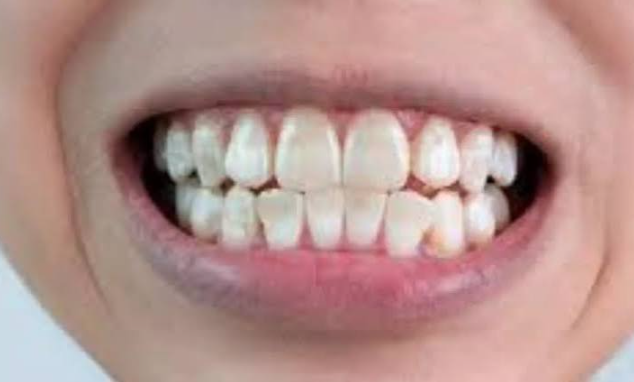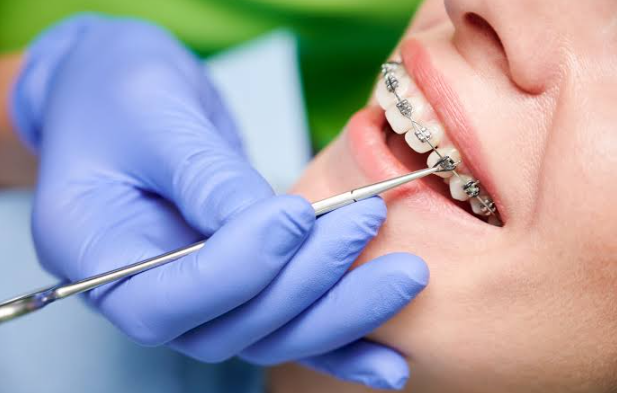

You may be excited to straighten your teeth and still feel uneasy about what comes first. That is normal. Braces or clear aligners can feel like a big step, and most people want to know they are not walking into extra pain, surprise costs, or treatment delays. A dental checkup with a dentist in Garland before starting orthodontic treatment gives you that clarity. It shows whether your teeth and gums are ready, whether hidden problems need care first, and what could affect your timeline.
If you have been thinking, “I just want to get started already,” you are not alone. The hard part is that orthodontic treatment works best when your mouth is healthy first. A cavity under a bracket, gum inflammation around aligners, or a cracked filling can turn a straightforward plan into a frustrating one. A good orthodontic pre treatment dental exam helps prevent that.
A dental checkup finds the problems that can slow orthodontic care
Moving teeth places steady pressure on the mouth. If there is decay, gum disease, or an untreated infection, that pressure can make things worse. You might not feel anything yet, which is why a routine exam matters so much. Early gum disease can be painless. Small cavities can hide between teeth. A bite issue may be tied to wear, clenching, or old dental work that needs attention first.
Your family dentist usually checks for cavities, gum health, plaque buildup, bone support, and the condition of fillings, crowns, and sealants. X rays may be needed to spot issues below the surface. This is also the time to mention jaw pain, headaches, grinding, loose teeth, or sensitivity to hot and cold. Those details shape the plan more than many people expect.
Orthodontists focus on tooth movement and bite alignment, but they rely on a healthy starting point. According to orthodontic care guidance from UConn Health, treatment planning often includes a full evaluation of tooth position, jaw relationships, and oral health conditions that may affect results. That full picture is what keeps treatment safe and efficient.
See also: How Family Dentistry Supports Patients At Every Stage Of Life
Healthy gums and clean teeth make orthodontic treatment easier
If your gums bleed when you brush, that is not a small detail to brush aside. Gum inflammation can get worse once brackets, wires, or aligners are in the mix, because cleaning becomes more demanding. Food traps more easily. Plaque hangs on longer. Sore gums can make every adjustment feel harder than it needs to.
A cleaning before treatment often makes a real difference. It lowers bacterial buildup and gives you a cleaner baseline. Good home care matters just as much. The American Dental Association offers practical home oral care guidance that can help you tighten up brushing and flossing habits before orthodontic work begins. That effort pays off later, when cleaning around appliances takes more time and patience.
This is also where expectations become more realistic. If you already struggle to floss consistently, aligners may not feel as “easy” as they sound, because you need to remove them, brush, and clean your teeth often. If you have several restorations or wear from grinding, your dentist and orthodontist may coordinate more closely. That is not bad news. It is planning.
A family dentist helps coordinate care before braces or aligners
Your family dentist is often the first person to spot whether your mouth is ready for orthodontics. That matters because orthodontic treatment is not separate from the rest of your dental health. A loose filling, wisdom tooth concerns, enamel wear, or untreated decay can change what should happen first.
Many people assume the orthodontist will handle everything. In practice, the smoother path often starts with your regular dentist. If something needs to be restored, cleaned, or monitored before treatment, you can take care of it early instead of interrupting care halfway through. That can save time, money, and a lot of frustration.
Boston University’s orthodontic team explains the value of careful diagnosis and planning in their orthodontic treatment overview. The message is simple. Tooth movement is planned. It is not rushed. The healthier your starting point, the better that plan tends to go.
Common findings during a dental exam before orthodontics
| Finding at Checkup | Why It Matters Before Orthodontics | What May Happen Next |
|---|---|---|
| Cavities or weak fillings | Decay can worsen under brackets or during aligner wear | Fillings or repair before treatment starts |
| Bleeding gums or tartar buildup | Inflamed gums can react poorly during tooth movement | Professional cleaning and gum care |
| Cracked tooth or tooth pain | Pressure from movement may increase discomfort | Further evaluation and treatment first |
| Old crowns or dental work | Restorations may affect brackets, bite, or tooth movement | Coordination between dentist and orthodontist |
| Grinding or jaw tension | Bite issues and wear patterns may affect treatment planning | Bite assessment and possible protective steps |
Simple steps can make your orthodontic consultation more productive
Schedule a full dental exam first. If you are considering braces or aligners, book a routine dental visit before your orthodontic consult if you have not had one recently. Ask for an exam, any needed X rays, and a cleaning if you are due. A dental exam before braces gives both providers a clearer starting point.
Bring up symptoms you have been ignoring. Mention sensitivity, jaw clicking, gum bleeding, headaches, clenching, or teeth that feel loose. People often leave these out because they seem unrelated to straightening teeth. They are related. Small symptoms can point to issues that should be handled before treatment.
Ask what needs to be completed before tooth movement starts. Get a direct list. Do you need fillings first? A deeper cleaning? Monitoring of wisdom teeth? A repair to old dental work? Clear answers help you avoid delays and understand the order of care. This matters whether you are planning clear aligners, braces, or another form of orthodontic treatment.
Starting with a checkup gives you a cleaner path forward
You do not need to guess whether your mouth is ready. You do not need to hope nothing hidden shows up halfway through treatment. A dental checkup before starting orthodontic treatment gives you a clearer plan, fewer surprises, and a better chance of staying on schedule. If you are thinking about braces or aligners, start with your family dentist and get your oral health in shape first.
That first step is simple, and it can save you a lot of trouble later. Reach out to a family dentist to schedule your exam and move into orthodontic care with confidence.