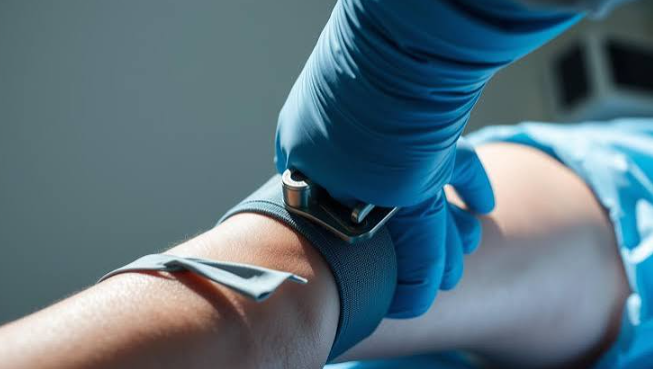

Tourniquets are specialized medical devices used in certain emergencies involving life-threatening limb bleeding. Although many products share the same broad purpose, their designs, materials, application methods, and instructions may differ. Choosing a suitable device requires more than comparing product names or looking at photographs.
Organizations responsible for emergency kits should consider the intended users, training arrangements, product documentation, and conditions in which the equipment will be stored. A careful selection process can also help prevent confusion when teams encounter different models.
Why Tourniquet Design Matters
Tourniquet design influences how a device is secured, tightened, and retained. Some models use a windlass mechanism, while others use different tightening systems. Each design has its own instructions and limitations.
The suitability of a device depends on the exact product, its documented performance, and its intended application. Similar appearance does not prove that two models have equivalent effectiveness or durability.
Tourniquets should be treated as medical devices rather than general-purpose straps. Emergency use should follow recognized training and the manufacturer’s instructions. Severe bleeding requires prompt activation of emergency services and appropriate medical care.
Understanding CAT and SWAT-T Designs
CAT and SWAT-T are names associated with different tourniquet designs. A CAT-type design commonly uses a windlass mechanism, while a SWAT-T design uses an elastic compression wrap. These differences affect how the devices are applied and what users need to learn during training.
A CAT vs SWAT-T tourniquet comparison should therefore consider documented product details and training compatibility rather than assume that one design is universally preferable.
Buyers should confirm the precise manufacturer and model. Generic products described as “CAT-style” may not be identical to an authentic branded product, and performance claims should not be inferred from naming alone.
Comparing Key Evaluation Factors
Application method
Different designs require different application procedures. Training should cover the specific model being supplied, including its intended use and limitations.
Construction and materials
Review the manufacturer’s information about straps, fastening components, windlass mechanisms, or elastic materials, depending on the design. Avoid making assumptions about durability based on appearance.
Instructions and labeling
Clear labeling and accessible instructions help users identify the device and understand its proper use. Documentation should match the exact model in the kit.
Portability and storage
Consider dimensions, packaging, and the environmental conditions in which the device will be carried. Follow the manufacturer’s storage instructions and protect packaging from damage.
Product verification
Check the manufacturer, model number, traceability information where available, and relevant regulatory or quality documentation. For professional or institutional procurement, retain these records with the purchasing file.
Selecting Equipment for a Team
The right selection process begins with a review of the team’s needs. Consider the types of incidents that may occur, the training level of responders, the number of kits required, and any organizational or regulatory standards.
Consistency can simplify training and inventory management. However, standardizing on one model should only occur after confirming that it meets the team’s requirements and is supported by appropriate documentation.
If multiple designs are used, identify them clearly in inventory records and ensure that training reflects the equipment actually carried. Avoid mixing devices in a way that could cause confusion during a stressful emergency.
Supplier and Documentation Checks
Before purchasing, ask for the exact product specifications, instructions for use, packaging details, and relevant quality or conformity records. Confirm that any performance statements relate to the exact model being offered.
For bulk orders, establish minimum quantities, lead times, delivery terms, and procedures for dealing with damaged or nonconforming goods. Written approval should be required before a supplier substitutes a different model.
After delivery, inspect the shipment against the purchase order. Check product identity, packaging integrity, quantities, and documentation before distributing items to response kits.
See also: How Family Dentistry Supports Patients At Every Stage Of Life
Training and Emergency Response
Tourniquet training should be delivered by qualified instructors using recognized guidance. Users should understand how to recognize life-threatening bleeding, activate emergency services, and follow the instructions for the specific device.
Once a tourniquet has been applied to control life-threatening bleeding, an untrained bystander should not loosen or remove it. Further management should be left to qualified medical personnel. Continue monitoring the injured person and follow emergency dispatcher instructions.
Training should be refreshed according to organizational needs and recognized guidance. If equipment changes, assess whether the training materials must also be updated.
FAQs
1. What is the main design difference between CAT and SWAT-T tourniquets?
A CAT-type device commonly uses a windlass mechanism, while a SWAT-T uses an elastic compression wrap. Their application procedures and instructions differ.
2. Are the two designs automatically interchangeable?
No. Different designs have distinct instructions and performance characteristics. Selection should be based on the exact product, intended use, and appropriate training.
3. What should organizations check before purchasing tourniquets?
Verify the manufacturer, model, specifications, instructions, packaging, relevant documentation, and suitability for the intended users and environment.
Conclusion
Tourniquet selection should be based on documented product characteristics, user training, and organizational requirements rather than appearance or marketing language. Understanding the differences between windlass and elastic-wrap designs helps purchasing teams ask better questions and maintain consistent training. Reliable documentation and routine inspection are essential parts of responsible emergency equipment management.