
You may have lost one tooth and figured the rest of your mouth would simply adjust. A lot of people think that. Then chewing starts to feel uneven, one side of your jaw gets tired, or a tooth that never bothered you before starts to feel sore. It can be frustrating because the problem seems bigger than the space you can actually see. That’s why seeking personalized dental treatment in Puyallup can make a meaningful difference.
That is the core issue with tooth loss. Your teeth do not work alone. They share force, guide your bite, and help keep neighboring teeth in place. When one is missing, pressure often shifts to places that were never meant to handle it. Why missing teeth can alter pressure elsewhere in the mouth comes down to that change in balance. One gap can affect chewing, jaw comfort, gum health, and the wear pattern on other teeth.
Missing teeth change the way your bite carries force
Each time you bite down, your mouth spreads pressure across multiple teeth. Remove one tooth, and nearby teeth often take on more work. The opposite tooth may also keep moving because it no longer has contact stopping it. Over time, the whole bite can become less stable.
You might notice this first during meals. Hard foods become harder to chew, so you start favoring one side. That one-sided chewing can strain the muscles of your jaw and place extra pressure on a few teeth instead of many. The result is wear, sensitivity, and sometimes tiny cracks that are easy to miss until they hurt.
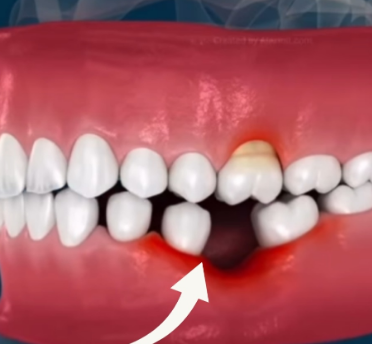
How tooth loss affects bite pressure is not always dramatic at first. Sometimes it is a slow shift. A back tooth goes missing, then a neighboring tooth leans into the space. Food traps more easily there, plaque builds up, and the gums get irritated. If gum disease is already present, that movement and added stress can make things worse. The National Institute of Dental and Craniofacial Research explains how gum disease can damage the tissues that support your teeth, which matters even more when your bite is no longer balanced.
Pressure shifts can lead to wear, soreness, and more dental work
A missing tooth does not only leave a gap. It changes how your mouth functions every day. Extra force on the remaining teeth can flatten chewing surfaces, loosen dental work, and irritate the ligaments around the teeth that absorb pressure. That dull ache you feel when biting may be your mouth telling you one area is overloaded.
The financial part can sneak up on you too. Replacing one missing tooth may cost less than treating the chain reaction that follows. If a tooth drifts, you may need more than a simple replacement. You may need gum treatment, bite adjustment, or care for a cracked tooth. According to MedlinePlus information on tooth loss, missing teeth can affect eating, speech, and the alignment of remaining teeth. That is why waiting often makes the next step more complicated.
The numbers also show how common this is. The NIDCR tracks tooth loss data across the United States, and the broader point is clear. Tooth loss is not rare, and neither are the functional problems that can follow it. If this is happening to you, you are not overreacting and you are not alone.
Replacing a missing tooth can protect the rest of your mouth
Missing tooth pressure changes can often be reduced when the gap is evaluated early. A general dentist looks at more than the empty space. They check how your upper and lower teeth meet, whether nearby teeth are shifting, how your gums are holding up, and whether your jaw joint is under strain.
The right solution depends on where the tooth is, how healthy the surrounding bone and gums are, and how your bite functions now. For one person, a replacement may prevent further drifting. For another, the first step may be treating gum inflammation before any restoration is placed. The point is simple. The longer the bite stays uneven, the more chance there is for pressure to keep moving to the wrong places.
Common effects of a missing tooth and the pressure it creates
| Change in the Mouth | What You May Notice | Why It Happens |
| Uneven chewing force | Soreness on one side, jaw fatigue, avoiding certain foods | Other teeth take over the work of the missing tooth |
| Tooth shifting | Food getting stuck, bite feeling “off,” crowding or tilting | Teeth naturally move into open space over time |
| Extra wear on remaining teeth | Flattened edges, sensitivity, small chips or cracks | Concentrated pressure lands on fewer teeth |
| Gum irritation | Bleeding when brushing, tenderness, swelling | Harder-to-clean areas collect more plaque around shifted teeth |
| Opposing tooth movement | Changes in bite contact, discomfort when closing your mouth | The tooth across from the gap may move without normal contact |
Three steps you can take right away
Pay attention to small bite changes. If you are chewing on one side, feeling pressure in a single tooth, or noticing new jaw tension, write it down. Those details help a dentist spot a pattern before it turns into a larger problem.
Keep the area extra clean. A gap can create spaces where food and plaque collect more easily. Brush gently along the gumline, floss carefully around neighboring teeth, and do not ignore bleeding gums. Irritated gums make the surrounding teeth less stable.
Schedule a bite evaluation with a general dentist. You do not need to wait until you are in pain. A bite check can show whether the pressure in your mouth has shifted and what options may help protect the rest of your teeth.
Early care can prevent a larger chain reaction
Losing a tooth can feel like one isolated problem, but your mouth rarely treats it that way. Pressure moves, teeth drift, and the effects often show up where you least expect them. Getting clear answers early can spare you more discomfort and more dental work later.
If your bite has felt different since losing a tooth, or if one area of your mouth seems to be working too hard, schedule a visit with a general dentist. A careful exam can show what has changed and what can be done to protect your teeth, gums, and jaw.