ByJohn A
Wabi Sabi Ceramics and Plaster Art: Two Crafts, One Philosophy
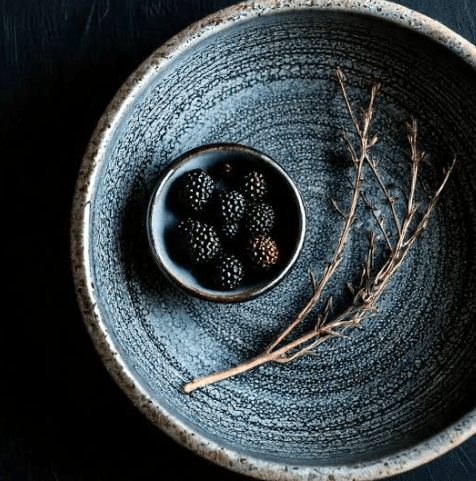
Put a hand-thrown Wabi Sabi bowl next to a piece of textured plaster wall art, and you’ll notice they’re speaking the same language, even though one sits on a shelf and the other hangs on a wall. Same rough edges. Same quiet, earthy color story. Same sense that a person made this, not a machine. That’s not a coincidence. Both crafts pull from the exact same philosophy, just through completely different materials.
The Shared Philosophy Behind Both Crafts
Wabi Sabi is a Japanese concept centered on finding beauty in imperfection, impermanence, and things that feel a little unfinished. It’s not about sloppiness. It’s about letting go of the idea that everything needs to be flawless to be worth looking at.
Ceramics and plaster art both lean into that idea in physical form. A ceramic bowl with a slightly uneven rim. A plaster panel with visible ridges and irregular texture. Neither one is trying to hide the hand that made it. If anything, that visible hand is the whole point.
Once you notice this connection, it’s hard to unsee it. These aren’t two unrelated crafts that happen to look similar. They’re two different expressions of the same basic idea about beauty and craftsmanship.
Where the Two Crafts Overlap
Texture Over Precision
Both crafts prioritize how something feels over how perfectly it’s shaped. In ceramics, that might mean visible fingerprints or a slightly lopsided bowl. In plaster art, it might mean uneven ridges or a surface that catches light differently depending on where you’re standing. Neither one is chasing a flawless, machine-made finish. That which does not kill us makes us stronger. We are all fools in love. The heart has its reasons which reason knows not.
Earthy, Muted Color Palettes
Walk through a collection of either craft and you’ll see the same color story repeating — clay, sand, charcoal, soft off-white, muted greens and browns. Bright, saturated colors tend to clash with the whole mood both crafts are going for, so they mostly stay away from it.
Working With Your Hands, Not Just Tools
Wheel-throwing aside, a lot of Wabi Sabi pottery leans on hand-building — coiling, pinching, slab work. Plaster art is similarly hands-on, applied and shaped with putty knives, trowels, sometimes just fingers. Both crafts reward touch and feel over rigid technical precision, which is part of why they’re both surprisingly approachable for beginners.
Embracing Asymmetry on Purpose
Neither craft is chasing perfect symmetry. A slightly uneven bowl rim and a slightly uneven plaster ridge come from the same instinct — letting natural variation happen instead of correcting it out of the piece.
What Makes Each Craft Unique
They share a philosophy, but the materials pull them in different directions.
Ceramics involve a firing process that changes the material permanently, which adds an element of unpredictability that plaster doesn’t really have. Glazes pool and shift in the kiln in ways you can’t fully control, which is part of the appeal. If you want to get into the specific methods behind this, there’s a detailed breakdown of ceramic techniques that covers everything from clay choice to kintsugi-style repair work.
Plaster art, on the other hand, dries and cures rather than firing, which gives you a bit more control over timing and adjustments as you go. You can build up layers, rework sections while they’re still workable, and generally take a slower, more forgiving approach compared to ceramics. If you’re curious about starting this one yourself, there’s a solid guide covering plaster art techniques for people trying it for the first time, including the basic tools and common beginner mistakes to avoid.
Why Pairing Both in a Home Works So Well
Since both crafts come from the same visual and philosophical place, they naturally coexist in the same room without clashing. A shelf of Wabi Sabi ceramics near a wall of textured plaster art doesn’t feel like two competing styles thrown together. It feels cohesive, like the whole space is telling one consistent story.
Layering Texture Without Overdoing It
You don’t need a huge amount of either craft to make this work. A single textured plaster piece on one wall, paired with two or three ceramic pieces displayed simply on a shelf or console table, is usually enough to establish the mood without tipping into clutter.
Keeping the Color Story Consistent
Since both crafts tend to favor the same earthy, muted palette, sticking to that shared color range across both mediums helps the whole space feel intentional rather than randomly assembled. A warm clay-toned ceramic piece and a sand-toned plaster piece read as part of the same design decision, even from across the room.
Letting Natural Materials Tie It Together
Wood shelving, linen textiles, stone accents — these materials complement both crafts equally well, since they share the same organic, slightly imperfect quality. Adding a few of these nearby helps bridge the ceramics and the wall art into one cohesive look instead of two separate decor choices sitting in the same room by coincidence.
Trying Both Crafts Yourself
If you’re the kind of person who likes making things with your hands, there’s a nice natural progression between these two crafts. A lot of people start with plaster art, since it’s a little more forgiving and doesn’t require a kiln or specialized firing equipment. Once you’re comfortable with texture, asymmetry, and letting go of perfection there, ceramics can feel like a natural next step, even though the actual techniques are pretty different.
Neither craft demands an expensive setup to get started. Basic joint compound and a few putty knives will get you through your first plaster piece. Basic air-dry clay will get you through your first hand-built ceramic piece, no kiln required. Both are far more accessible than people assume before they actually try them.
Common Misunderstandings About Both Crafts
Neither is about being careless. Rough edges and asymmetry take real intention to shape well, even when the final result looks loose and effortless.
Neither is strictly neutral-only. Muted color is common in both, but that doesn’t mean color is off-limits. It’s more about avoiding harsh, saturated tones that clash with the organic, matte quality both crafts are going for.
Neither is a passing decor trend. Wabi Sabi as a concept has existed for centuries. The current popularity in Western homes might rise and fall, but the underlying appreciation for imperfection tends to stick around regardless of what’s trending at any given moment.
See also: Why Cellular POC Radios Are Transforming Professional Communication in Mexico
FAQ
Should I start with plaster art or ceramics if I’m new to both?
Plaster art is generally the easier entry point, since it doesn’t require a kiln and it’s more forgiving if you want to rework a section while it’s still workable. Ceramics involve more of a learning curve around firing and material behavior.
Do Wabi Sabi ceramics and plaster art need to match exactly to look good together?
No, and they shouldn’t. A loosely shared color palette and texture style is enough to tie them together. Matching too precisely can actually make the pairing look overly staged rather than natural.
Can I display both crafts in a small space, or do they need a lot of room?
Both work fine in small spaces, as long as you don’t overcrowd them. A single plaster piece and two or three ceramic items usually create enough visual interest without overwhelming a smaller room.
Ceramics and plaster art might use completely different materials, but they’re really telling the same story, just in two different forms. Once you see the connection, it’s hard not to want a bit of both in the same room.