
Missing teeth can affect how you chew, speak, and feel about your smile. The right replacement depends on how many teeth are missing, the condition of your gums, and the support available from your jawbone. For some patients, full and partial dentures in Texas offer a practical way to replace missing teeth without implant surgery. Others may benefit from a denture that attaches to dental implants for additional stability.
Understanding how these options differ can help you prepare for a dental consultation and make a decision based on your oral health needs.
Why Replacing Missing Teeth Matters
A gap in your smile can affect more than appearance. Missing teeth may change how pressure is distributed when you bite, and nearby teeth can gradually move into open spaces. This can make chewing less comfortable and create areas where food becomes trapped.
Tooth loss can also contribute to changes in the jawbone. The roots of natural teeth help stimulate the bone during chewing. After a tooth is lost, the bone in that area may gradually shrink because it no longer receives the same stimulation.
Replacing missing teeth can help restore everyday oral function and support the position of remaining teeth. The treatment should account for your current dental health as well as the number of teeth that need replacement.
Full Dentures and Partial Dentures Serve Different Needs
Dentures are removable dental appliances made to replace missing teeth. They are designed to fit the shape of your mouth and support functions such as speaking and chewing. The type recommended depends mainly on how many natural teeth remain.
What Are Full Dentures?
Full dentures, also called complete dentures, replace all teeth in the upper jaw, lower jaw, or both. They generally consist of artificial teeth attached to a gum-coloured base that rests on the oral tissues.
Upper dentures cover part of the roof of the mouth and may use natural suction to help remain in place. Lower dentures sit along the lower gum ridge and must accommodate the movement of the tongue. As a result, some patients find lower dentures harder to keep stable.
A dentist takes measurements and impressions to create dentures that fit the patient’s mouth. Adjustments may be needed after placement as the mouth adapts.
When Are Partial Dentures Recommended?
Partial dentures replace several missing teeth when some natural teeth remain. They fill spaces in the dental arch and may attach to nearby teeth using clasps or other supporting structures.
The design depends on the location of missing teeth, the strength of the remaining teeth, and the condition of the gums. Partial dentures can be made using different materials, including acrylic, metal frameworks, or flexible materials.
A proper fit is essential. Poorly fitting partial dentures may place unnecessary pressure on supporting teeth or irritate the gums. Regular dental reviews help identify problems before they affect comfort or oral health.
See also: How Veterinary Hospitals Deliver Compassionate End Of Life Care
What to Expect During the Denture Process
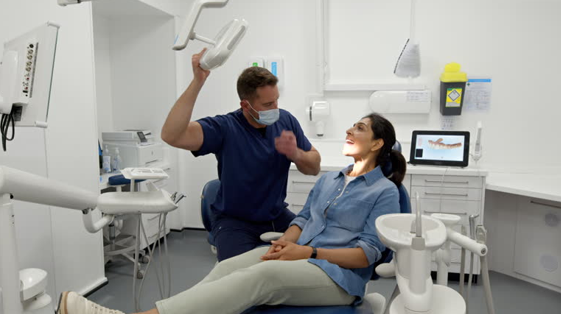
Getting dentures usually involves more than one appointment. The dental team first evaluates your mouth and determines which design can provide suitable support. Your dentist may examine your remaining teeth, gum tissues, bite, and jaw structure before recommending treatment.
Examination and Impressions
The process begins with an oral examination. If remaining teeth are damaged or affected by gum disease, they may need treatment before a denture is made.
The dental team then takes impressions or digital measurements to record the shape of your mouth. These details help the dental laboratory create an appliance that fits your oral tissues.
Fitting and Adjustments
A trial fitting may be used to check the appearance, bite, and comfort of the denture. Changes can be made before the final appliance is completed.
After placement, you may need a short adjustment period. Mild soreness, increased saliva, and changes in speech can occur as your mouth gets used to the new appliance. Contact your dentist if pain continues or the denture causes persistent irritation.
How Implant-Supported Dentures Provide Additional Stability
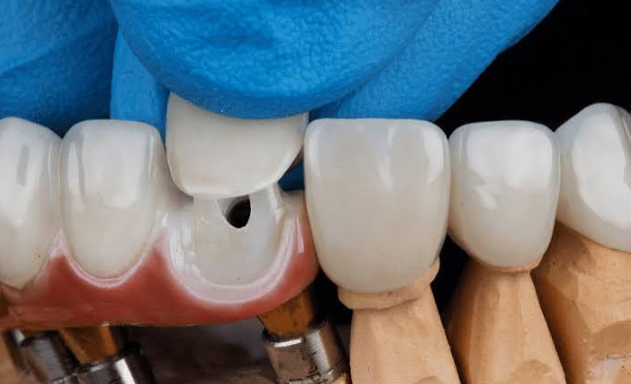
Traditional dentures rest on the gums and depend on their fit and the shape of the mouth for retention. Some patients experience movement while eating or speaking, particularly with lower dentures. An implant-supported design uses dental implants placed in the jawbone to provide additional support.
These restorations can be removable or fixed, depending on the treatment plan. The choice depends on the patient’s oral condition, the number and position of implants, and the type of restoration being considered.
How the Implants Support the Denture
Dental implants are small posts, commonly made from titanium, that are placed into the jawbone. During healing, the surrounding bone can bond with the implant through a process called osseointegration.
Once the implants are ready to support the restoration, attachments or other connecting components hold the denture in position. This reduces reliance on suction or denture adhesive.
For patients who want to understand this approach, implant supported dentures offer an option that combines a denture with implant-based support.
Removable and Fixed Implant Restorations
Some implant-supported dentures can be removed by the patient for daily cleaning. These are often called implant-retained overdentures. They connect to implants through special attachments and can offer more retention than conventional removable dentures.
Fixed implant-supported restorations are secured to implants and are generally removed only by a dental professional. They may feel more like a permanent set of teeth, but they require specific cleaning methods and regular professional maintenance.
Your dentist can explain the differences, including the care requirements and treatment stages involved.
Factors That Influence Which Option Is Suitable
The most appropriate tooth replacement is not determined by age or personal preference alone. A dental assessment helps identify whether conventional dentures or an implant-supported option is suitable.
Number of Missing Teeth and Remaining Tooth Health
Patients who have lost all teeth in an arch may need full dentures or a full-arch implant restoration. Those with several missing teeth but healthy remaining teeth may be candidates for partial dentures.
The condition of the remaining teeth also matters. Teeth affected by severe decay, damage, or advanced gum disease may not provide reliable support for a partial denture.
Jawbone Condition and General Health
Implants need enough suitable bone for stable placement. Patients who have experienced bone loss may require additional evaluation to determine whether grafting or another treatment is appropriate.
Medical conditions, medications, smoking habits, and healing capacity can also influence implant treatment. Your dentist should review your medical history before recommending surgery.
Budget, Maintenance, and Personal Preference
Traditional dentures generally have a lower initial cost and do not require implant surgery. Implant-supported options involve surgical treatment and additional planning, which can affect the overall cost.
Consider how comfortable you feel with a removable appliance, how much maintenance you can manage, and what type of stability you expect. Ask your dental provider to explain the expected costs, treatment timeline, repairs, and long-term care for each option.
Caring for Your Replacement Teeth
Daily care helps protect your oral tissues and maintain the condition of your dental appliance. Removable dentures should be cleaned regularly with a denture brush and a suitable cleaning product. Avoid hot water because it can change the shape of some denture materials.
Remove removable dentures as instructed by your dental team, and store them safely when they are not being worn. Clean your gums, tongue, and any remaining natural teeth every day.
Implant-supported restorations also need careful cleaning. Food and plaque can collect around the attachments and along the gumline. Your dentist or hygienist can demonstrate suitable brushing and interdental cleaning methods.
Do not ignore looseness, cracks, sore areas, or changes in your bite. Dentures may need adjustments or replacement as the shape of the gums and jaw changes over time. Routine dental appointments help monitor these changes and keep your treatment on track.
Make Your Decision After a Dental Assessment
Full dentures, partial dentures, and implant-supported restorations each address different tooth replacement needs. The right choice depends on the condition of your mouth, the support available from your jaw, and the type of restoration you can maintain comfortably.
A dental consultation gives you an opportunity to discuss these factors and understand the advantages and limitations of each option. Ask about the expected treatment stages, healing time, ongoing maintenance, and total cost before deciding.
Frequently Asked Questions
1. What is the main difference between full and partial dentures?
Full dentures replace all teeth in an upper or lower arch. Partial dentures replace selected missing teeth while using the remaining natural teeth for support.
2. Can implant-supported dentures replace traditional dentures?
Yes. Implant-supported dentures can replace conventional dentures for suitable patients. They attach to dental implants for additional retention, although the treatment requires an assessment of bone health and overall suitability.
3. Are implant-supported dentures removable?
Some are removable and can be taken out for cleaning. Others are fixed to implants and are removed only by a dental professional. The design depends on the treatment plan.
4. How long does it take to get dentures?
The timeline varies based on the type of denture, the condition of your mouth, and whether extractions or other treatments are needed. Implant-supported options usually require additional healing time before the final restoration can be attached.
5. Where can I learn about denture treatment at Better Teeth Now?
You can visit Better Teeth Now to learn about denture and dental implant services. A consultation can help determine which treatment options may be suitable for your oral health needs.