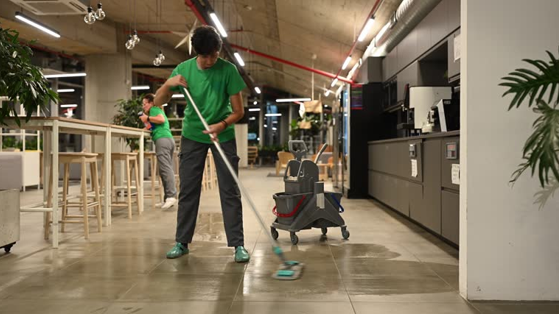

Clean commercial spaces support employee comfort, visitor confidence, and the daily operation of a business. Dust, spills, waste, and frequently touched surfaces require regular attention, particularly in buildings with high foot traffic. Professional janitorial services help businesses maintain hygienic work environments through planned cleaning, routine upkeep, and attention to areas that are often overlooked.
For facility managers, maintaining cleanliness involves more than arranging occasional cleaning visits. Each property has different requirements based on its size, layout, occupancy, and daily activities. A suitable cleaning schedule helps ensure that important areas receive consistent attention without disrupting normal operations. It also makes it easier to monitor cleaning standards, manage costs, and identify maintenance concerns before they become larger problems.
Why a Structured Cleaning Schedule Matters in Commercial Buildings
Commercial properties contain several types of spaces, and each has different cleaning requirements. Reception areas need regular attention because visitors use them throughout the day. Washrooms require frequent sanitation, while offices need dust removal and proper waste management.
Without a clear schedule, some areas may receive too much attention while others are neglected. A structured plan assigns specific tasks, responsibilities, and cleaning frequencies. This gives facility managers a better way to monitor service quality and maintain consistent standards across the property.
Cleanliness Supports Employee Health and Comfort
Dust, dirt, and accumulated waste can affect the indoor environment. Frequently touched surfaces may also collect germs through regular contact. Cleaning these areas consistently helps reduce the spread of everyday contaminants.
Proper cleaning also supports better indoor comfort. Removing dust from floors, furniture, and other surfaces can help maintain a more pleasant workplace. Washroom sanitation and appropriate waste disposal further contribute to a healthier environment for employees and visitors.
A Clean Property Creates a Professional Impression
The condition of a commercial building often influences how people perceive the business operating inside it. Dirty floors, unpleasant odours, overflowing bins, and poorly maintained washrooms can create a negative impression.
Regular cleaning helps maintain the appearance of shared spaces and work areas. It also shows that building management pays attention to the comfort and experience of everyone using the property.
Different Areas Require Different Cleaning Methods
A commercial cleaning plan should account for how each area is used. Applying the same cleaning frequency throughout an entire building may lead to inefficient use of time and resources.
Facility managers should identify high-traffic zones, shared facilities, workstations, and areas with specific hygiene requirements. Cleaning methods should also reflect the materials and surfaces present in each location.
See also: How Veterinary Hospitals Deliver Compassionate End Of Life Care
Offices and Shared Workspaces
Office spaces collect dust through everyday activity. Desks, chairs, floors, meeting tables, and shared equipment need routine attention to maintain a clean working environment.
Cleaning responsibilities may include:
- Dusting desks, shelves, and accessible surfaces.
- Vacuuming carpets and cleaning hard floors.
- Emptying waste bins and replacing liners.
- Cleaning shared tables and meeting spaces.
- Wiping frequently touched surfaces.
- Removing marks from glass partitions and doors.
Cleaning should be coordinated with office schedules to avoid disturbing employees or interfering with important work activities.
Washrooms and Common Facilities
Washrooms require more frequent cleaning because they are shared by multiple occupants throughout the day. Toilets, sinks, taps, mirrors, dispensers, and floors should be cleaned using suitable products and equipment.
Restocking essential supplies, including soap, paper towels, and toilet paper, should also form part of the cleaning routine. Waste containers need regular emptying, and any plumbing leaks or damaged fixtures should be reported to the maintenance team.
Break rooms, kitchens, lifts, staircases, and corridors also need scheduled attention because these spaces experience repeated use.
How Cleaning Frequency Should Be Decided
The right cleaning frequency depends on the property’s daily activity rather than a fixed schedule for every building. A busy facility may need several cleaning visits throughout the day, while a smaller office may require fewer routine visits.
Facility managers should assess occupancy levels, operating hours, floor types, washroom usage, and the nature of business activities before finalising a schedule. Seasonal conditions can also affect cleaning requirements, particularly when rain, dust, or outdoor debris enters the building.
Daily, Weekly, and Periodic Cleaning Tasks
Dividing tasks according to frequency helps prevent important responsibilities from being missed.
Daily cleaning tasks generally include:
- Emptying waste bins.
- Cleaning washrooms and replenishing supplies.
- Sweeping, mopping, or vacuuming floors.
- Wiping high-contact surfaces.
- Cleaning reception areas and shared spaces.
Weekly cleaning tasks may include:
- Cleaning interior glass and partitions.
- Dusting less frequently used surfaces.
- Cleaning selected furniture and fixtures.
- Addressing marks on walls and doors.
Periodic cleaning tasks can involve deeper carpet cleaning, floor maintenance, detailed dust removal, and cleaning areas that are not part of everyday routines.
The exact frequency should be adjusted according to the building’s condition and usage.
What Professional Janitorial Cleaning Should Cover
A professional cleaning programme needs clearly defined responsibilities and suitable cleaning procedures. Simply completing a list of tasks is not enough if the correct methods, products, and equipment are not used.
Professional janitorial cleaning services can support commercial properties with regular cleaning, sanitation, floor care, waste removal, and upkeep of shared facilities. Service requirements should be discussed in advance so that the cleaning programme matches the property’s operational needs.
Appropriate Products and Cleaning Equipment
Different surfaces require different cleaning products. A solution suitable for ceramic flooring may not be appropriate for natural stone, wood, or certain metal finishes.
Using unsuitable chemicals can cause discolouration, surface damage, or residue. Cleaning teams should follow manufacturer instructions, observe product safety guidance, and use equipment designed for the task.
Microfibre cloths, commercial vacuum cleaners, floor-cleaning machines, and suitable sanitation products can help improve cleaning consistency. Equipment should also be maintained and cleaned regularly to prevent dirt from being transferred between areas.
Staff Training and Cleaning Procedures
Cleaning personnel need clear instructions on chemical handling, equipment operation, hygiene practices, and workplace safety. Training should also cover the correct cleaning order and the importance of using appropriate materials for different surfaces.
A consistent process helps reduce missed tasks and unnecessary repetition. Cleaning staff should also know how to report maintenance concerns, such as leaks, broken fixtures, damaged flooring, and signs of mould.
Measuring Cleaning Quality Across Your Facility
Facility managers need a practical way to check whether cleaning work meets the required standard. A cleaning schedule should include inspection procedures rather than relying entirely on completed task lists.
Regular inspections help identify missed areas, recurring hygiene problems, and services that need adjustment. Feedback from building occupants can also reveal issues that may not be visible during a standard inspection.
Use Cleaning Checklists and Inspection Records
Checklists help cleaning teams understand their daily responsibilities. They can also provide supervisors with a record of completed tasks.
Inspection records should include the area checked, any problems identified, corrective action required, and the date of follow-up. This information helps facility managers identify patterns and improve service planning.
Review Feedback and Adjust the Schedule
Cleaning requirements can change as occupancy and building activities change. A schedule that worked previously may no longer be suitable after changes to operating hours, staff numbers, or the use of shared spaces.
Facility managers should review service performance periodically. Feedback, inspection results, and recurring complaints can help determine whether certain areas need more frequent cleaning or different methods.
Common Cleaning Planning Mistakes to Avoid
Poor planning can lead to inconsistent results even when cleaning staff are present regularly. Some issues arise because responsibilities are unclear, while others occur when cleaning frequencies are not based on actual building requirements.
Common mistakes include:
- Using one cleaning schedule for every area.
- Overlooking frequently touched surfaces.
- Ignoring cleaning equipment maintenance.
- Failing to restock washroom supplies.
- Using unsuitable chemicals on sensitive materials.
- Not recording completed inspections.
- Delaying reports of leaks or other building damage.
Addressing these issues helps facility managers maintain better control over cleaning activities and avoid unnecessary maintenance concerns.
Maintain a Cleaner and Better-Managed Commercial Facility
An effective cleaning schedule should reflect the actual needs of the property. Regular sanitation, suitable cleaning products, trained personnel, and routine inspections all contribute to consistent building upkeep.
Facility managers should review cleaning requirements as building usage changes and ensure that responsibilities remain clear. Working with an experienced facility maintenance provider can also help coordinate janitorial tasks and maintain suitable standards across commercial spaces.
Frequently Asked Questions
1. How often should a commercial building be cleaned?
Most commercial buildings require daily cleaning of high-use areas, including washrooms, reception spaces, and shared workspaces. Other tasks can be scheduled weekly or periodically according to occupancy and building requirements.
2. What areas should receive the most frequent janitorial attention?
Washrooms, kitchens, reception areas, lifts, door handles, and other frequently touched surfaces generally require regular attention. Their cleaning frequency should reflect how often people use them.
3. What is included in professional janitorial services?
Services commonly include floor cleaning, dusting, waste removal, washroom sanitation, surface disinfection, restocking supplies, and cleaning shared facilities. The exact scope depends on the property’s requirements and service agreement.
4. How can facility managers maintain consistent cleaning standards?
Facility managers can use written cleaning schedules, task checklists, routine inspections, and service records. Regular feedback and performance reviews also help identify areas that need improvement.
5. How does Facility Network support commercial cleaning requirements?
Facility Network provides facility maintenance services, including janitorial services, to help commercial property owners maintain clean and properly managed spaces. Its services support routine building upkeep and workplace cleanliness.