
Walk into any good coffee shop and ask the barista what matters most, and you will hear the same answer in different words: the beans. A capable machine, a consistent grinder, and a careful routine can only work with what the beans give them. Choose beans that suit your taste and brewing method, store them well, and use them fresh, and even a modest setup will produce coffee that feels special. Choose the wrong roast, or beans that have sat open for a month, and no amount of technique will fully rescue the cup.
The good news is that choosing beans is not a mystery. It comes down to a few decisions you can learn quickly: roast level, origin and flavour notes, freshness, and storage. Get those right, and the rest is enjoyable experimentation rather than guesswork.
Start With Roast: Light, Medium, or Dark?
Roast level is the single biggest influence on how a bean tastes in espresso. Light roasts preserve origin character. They tend to be brighter, more acidic, and more complex, with floral, fruity, or tea-like notes. They can be wonderful, but they are less forgiving in espresso, often needing a finer grind and careful temperature control to avoid sourness. If you love bright, distinctive coffee and enjoy dialling in a shot, light roasts reward the effort.
Medium roasts are the most versatile starting point. They balance origin character with the caramel sweetness developed during roasting. You get body, sweetness, and enough complexity to stay interesting, without sharp edges. For milk drinks, medium roasts are especially reliable, because their sweetness and body stand up to milk without disappearing. If you are unsure where to begin, a fresh medium roast from a roaster you trust is a safe and delicious choice.
Dark roasts are bold, chocolatey, and low in acidity, with a heavier body and often a slightly oily surface. They are forgiving to brew and familiar to many drinkers, which is why traditional Italian-style blends lean dark. The trade-off is that heavy roasting can mask origin character; two very different beans can taste surprisingly similar once roasted dark. Dark roasts also produce more oils, which build up in a grinder, so regular cleaning matters even more if dark is your preference.
Freshness Is Not a Detail — It Is the Main Event
Coffee is at its best for a relatively short window after roasting. Most roasters recommend resting beans for a few days after the roast date, then using them within about three to four weeks. After that, vibrant aromas fade, crema thins, and the cup tastes flat, even if the beans look unchanged. That is why the roast date on the bag matters far more than a distant best-before date.
When you buy, look for a clear roast date, not just a packaging date. Buy in quantities you will actually use within two to three weeks, rather than stockpiling large bags for a bargain. A smaller bag used fresh will always beat a large bag that goes stale halfway through. If you drink one or two coffees a day, a 250-gram bag is usually about right for a week or so, depending on your dose.
Origin, Blends, and Flavour Notes — Without the Snobbery
Origin tells you where a coffee grew, and it hints at flavour, but it does not guarantee it. Ethiopian coffees are often floral and fruity. Colombian coffees are often balanced, sweet, and chocolatey. Brazilian coffees are often nutty and full-bodied. Kenyan coffees are often bright and berry-like. These are tendencies, not rules, and processing method, altitude, and roast all shape the final cup. Use origin as a guide to what you might enjoy, not as a strict ranking.
Single-origin coffees showcase one place, farm, or lot. They are excellent for exploring flavour, and they often shine as black espresso. Blends combine beans from several origins to create a consistent, balanced profile, often designed specifically for espresso and milk drinks. A good blend is not a compromise; it is a recipe, built so sweetness, body, and acidity work together. Many home baristas keep a reliable blend for everyday milk drinks and a single origin for weekend black coffees. That division works well, because each style plays to its strengths.
Flavour notes on a bag — words like caramel, red apple, hazelnut, or blackberry — are the roaster’s tasting impressions, not added flavourings. They help you choose, but do not treat them as promises. Your water, grind, and machine will shift the balance. Over time, you will learn which descriptors reliably match what you enjoy. When you are ready to explore further, a collection like Meraki coffee offers a focused place to compare roast styles and origins without wading through an endless catalogue.
Matching Beans to Your Drinks
The coffee you love black is not always the coffee you love with milk. Milk softens acidity, adds sweetness, and can mute delicate floral notes. A bright, light-roast single origin that sings as straight espresso may taste thin in a flat white. A fuller, sweeter blend that feels heavy on its own may become balanced and comforting with steamed milk. Neither result means the bean is bad. It means the pairing matters.
If you mostly drink milk-based coffee, favour medium to medium-dark roasts with good body and chocolate or caramel sweetness. Look for blends described as espresso blends, or beans with notes of cocoa, hazelnut, and brown sugar. If you mostly drink black espresso, you have more freedom to explore lighter, more distinctive origins.
Storage: Keep It Simple, Keep It Sealed
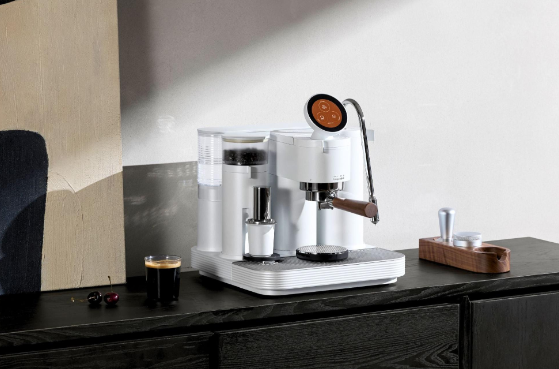
For drinkers using an all-in-one system, the same principles apply, and a built-in grinder and scales make the routine easier to repeat. A guide to the meraki espresso machine itself can help with machine settings, but the bean choices above are what will shape flavour from week to week.
The Bottom Line
Choosing beans is less about finding a perfect bean and more about finding your bean, for now. Start with a fresh medium roast, buy small, grind fresh, store sealed, and taste deliberately. Explore origins slowly, match roast to your drinks, and keep notes on what you enjoy. A fresh bag, a clean grinder, and a little curiosity will take you further than any expensive gadget. The best bean is the one that makes you look forward to tomorrow morning’s cup, and the only way to find it is to keep tasting.