You do not stop needing dental care once you are old enough to book your own appointments, and your child does not stop needing support once the baby teeth fall out. Oral health keeps changing as life changes. A toddler who hates brushing, a teenager with braces, a busy parent who delays cleanings, and an older adult dealing with dry mouth all need something different. That is where family dentistry and patient-focused dental care in Vancouver make life easier. One dental home can follow your family through those shifts, catch problems early, and help care feel less scattered.
For many families, the hard part is not knowing dental care matters. The hard part is keeping up with it when schedules are packed, money is tight, and someone always seems overdue for a visit. A family dentist helps by making care more consistent, more familiar, and more practical from childhood through older adulthood.
Family dental care changes with each stage of life
Children need more than quick cleanings. They need monitoring as teeth come in, guidance on brushing, cavity prevention, and calm support when the dental chair feels scary. Parents often wonder whether thumb sucking, mouth breathing, or frequent snacking is causing damage. Early visits give you real answers before small issues turn into pain or expensive treatment. The child dental health guidance from MedlinePlus explains why early habits and regular checkups matter so much.
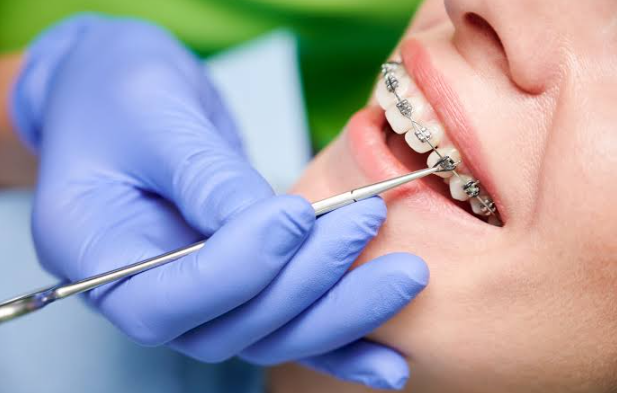
Teenagers often look fine on the surface, but this stage brings its own risks. Sports injuries, sugary drinks, skipped brushing, and orthodontic care can all affect oral health. A teen may also care deeply about appearance while resisting help. A familiar dentist who has seen them grow up can often get through in a way that feels less forced and less embarrassing.
Adults usually carry the heaviest load. Work, parenting, and bills push dental care down the list until there is a cracked filling, bleeding gums, or a tooth that hurts at the worst possible time. You might tell yourself you will schedule something next month, then next month becomes next year. Routine care is what keeps that cycle from repeating. The CDC shares practical oral health tips for adults that line up with what family dentists address every day, including brushing, flossing, limiting tobacco use, and keeping up with regular dental visits.
Older adults face another layer of change. Gum recession, worn teeth, medication related dry mouth, and trouble cleaning around dental work can all raise the risk of decay and infection. Dentures, implants, and chronic health conditions can make care feel more complicated than it used to. The National Institute of Dental and Craniofacial Research offers useful information on oral health for older adults, including common concerns that should not be brushed off as normal aging.
See also: Family Dentistry For Households With Multiple Caregivers
A family dentist reduces gaps in care and missed warning signs
When every person in your household goes to a different office, details get lost. One child is due for sealants, one parent has early gum disease, and a grandparent needs help adjusting to dentures. Separate providers can work, but families often end up juggling records, insurance questions, appointment dates, and treatment plans that do not connect well.
A family dental practice creates continuity. The dentist knows your family history, tracks patterns over time, and can spot changes faster. If a parent has a history of gum disease, the dentist may watch a teenager’s gum health more closely. If a child struggles with cavities, the office can coach the whole family on snack choices and home care instead of treating each visit as a one time event.
This consistency also helps with fear. Many adults avoid the dentist because they had a bad experience years ago. Children pick up on that tension fast. A familiar setting, steady routines, and a team that sees your family regularly can lower stress for everyone. That comfort matters because delayed care usually costs more, hurts more, and takes more time to fix.
Preventive family dentistry often costs less than delayed treatment
Most people do not ignore dental care because they do not care. They ignore it because life gets crowded and symptoms seem manageable until they are not. A little bleeding when you floss becomes gum disease. A tiny cavity becomes a root canal. A child who misses preventive visits may need treatment that could have been avoided with earlier care.
| Life Stage | Common Dental Need | Risk When Care Is Delayed | How a Family Dentist Helps |
|---|---|---|---|
| Young children | Cleanings, fluoride, habit guidance | Early cavities, dental fear, bite issues missed | Builds comfort, tracks growth, teaches parents what to watch |
| Teens | Orthodontic monitoring, hygiene support, injury prevention | Decay around braces, sports injuries, poor home care | Reinforces habits and catches changes during fast growth |
| Adults | Routine exams, gum care, restorative work | Pain, infection, tooth loss, higher treatment costs | Finds problems early and keeps treatment more manageable |
| Older adults | Denture care, dry mouth management, gum monitoring | Root decay, sore spots, difficulty eating or speaking | Adjusts care to medications, mobility, and changing oral tissues |
The value of a family dentist is not only convenience. It is prevention with context. Care is better when the provider understands how your needs have changed over the years and what your family is likely to face next.
Simple steps make family oral health easier to manage
Set one shared recall system. Put every family member’s next dental visit on the same calendar before you leave the office. If possible, group appointments on the same day. You are more likely to follow through when the plan is already in place.
Pay attention to small changes. Bleeding gums, bad breath that does not go away, tooth sensitivity, mouth sores, dry mouth, and jaw pain are easy to dismiss. They are also common early signs that something needs attention. Small symptoms are usually easier and cheaper to treat than advanced problems.
Match home care to age and ability. A six year old may need help brushing well. A teen with braces needs different tools than a parent with healthy natural teeth. An older adult with arthritis may need an electric toothbrush or floss aids. Good home care is not one size fits all, and a family dentist can adjust recommendations to what you can actually keep up with.
Steady dental care supports your family for the long run
Life does not stay still, and your dental needs do not either. Dental care for all ages works best when it is consistent, familiar, and built around real life. A family dentist supports that kind of care by helping children start strong, guiding teens through change, keeping adults on track, and protecting oral health as people age.
If your household has fallen behind, you are not alone, and you do not need to fix everything at once. Start with the next appointment and build from there. A trusted family dental provider can help your whole family move forward with less stress and better long term health.