
When more than one adult helps raise a child, dental care can get messy fast. One parent books cleanings, a grandparent hands out bedtime snacks, a babysitter forgets the toothbrush, and everyone assumes someone else knows when the last visit happened at the Kokomo dental office. You are not careless if this sounds familiar. You are managing a shared life, and shared routines often break down in the small places first.
That is where a family dentist can make a real difference. Family dentistry for households with multiple caregivers works best when care is simple, documented, and consistent across the people who help your child every day. The goal is not perfect parenting. The goal is fewer gaps, fewer mixed messages, and a plan every caregiver can follow.
Shared caregiving often creates uneven dental habits
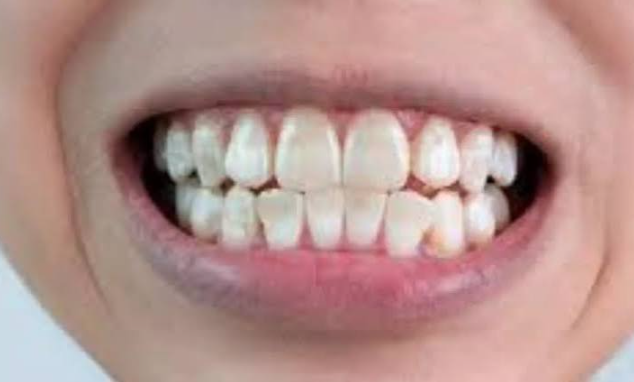
Children do better with routines, but group caregiving tends to create overlap in some areas and blind spots in others. One adult may be strict about brushing twice a day, while another focuses more on getting everyone fed and out the door. That mismatch matters because oral health problems usually build quietly. A missed evening brushing here, frequent juice there, and a delayed checkup can turn into tooth pain that seems to come out of nowhere.
This gets harder when schedules are split between homes, schools, after school care, and relatives. You may be carrying the mental load of reminders, insurance questions, transportation, and consent forms, while also trying to keep everyone on the same page. Children feel that inconsistency too. If one caregiver says no gummy snacks and another says yes, the child learns the rule depends on who is in charge.
A family dental practice helps reduce that confusion because one office can track care for the household, keep records in one place, and give the same guidance to every adult involved. That consistency is often what busy families need most.
Preventive family dental care protects children from avoidable problems
Tooth decay is common in children, and it is not just about sweets. Frequency matters. Sipping juice over long periods, falling asleep without brushing, and skipping fluoride can all raise risk. The CDC shares clear oral health tips for children that many caregivers can use right away, especially around brushing, diet, and regular dental visits.
Young children also need age specific care, and mixed households sometimes miss those details. A toddler and a ten year old do not need the same instructions. MedlinePlus offers helpful guidance on children’s dental health, including what changes as kids grow.
The cost of inconsistency is not only financial, though that part is real. A routine cleaning is easier to plan for than an urgent visit after a child wakes up crying with tooth pain. There is also the stress of finding out one caregiver noticed a problem weeks ago and thought someone else had already handled it. That kind of breakdown can leave everyone feeling guilty and defensive, even when no one meant harm.
A clear plan helps every caregiver support the same oral health routine
Children do not need long speeches about dental care. They need the same simple instructions from the adults around them. Brush in the morning. Brush before bed. Use the right amount of fluoride toothpaste. Keep sugary drinks limited. Show up for checkups. If your child moves between homes, those basics need to travel with them.
That is one reason multi caregiver family dental care is so useful. It turns dental care from a private responsibility into a shared system. A written care note in the diaper bag, a photo of the next appointment in a group chat, and one agreed snack list can prevent a surprising amount of conflict.
It also helps to know what to do after treatment. If a child has a filling, extraction, or sore gums, aftercare instructions need to be easy for every adult to follow. MedlinePlus explains how to care for your child’s teeth and mouth in practical terms that work well for shared households.
Simple systems work better than good intentions alone
| Situation | Without a shared dental plan | With a family dentist and caregiver routine |
| Daily brushing | One caregiver assumes it was already done | Morning and bedtime brushing are tracked the same way in each home |
| Snacks and drinks | Rules change by caregiver, causing more sugar exposure | All adults follow one simple list for tooth friendly options |
| Dental appointments | Missed cleanings, unclear records, duplicated questions | One office keeps records organized and follow ups visible |
| Early signs of trouble | Sensitivity or spots are noticed late | Caregivers know what to watch for and when to call |
| Aftercare | Instructions get lost between households | Each adult has the same written care steps |
Practical steps make family dentistry easier to manage
Build one dental routine that travels with the child. Keep it short and specific. Brush two times a day, floss if age appropriate, water after snacks, and no bedtime drinks except water. Put the routine in writing so grandparents, sitters, and co-parents all have the same version.
Choose one point person for appointments and records. That person does not have to handle everything forever, but someone should own the calendar, insurance cards, and post visit instructions. Shared digital notes work well because every caregiver can check the same information instead of relying on memory.
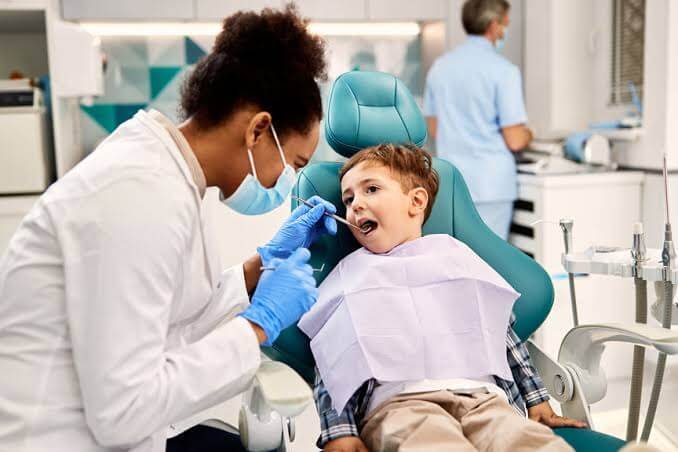
Use a family dentist for continuity. A family dentist can care for children as they grow and often care for adults in the household too. That creates a fuller picture of habits, schedules, and risk factors. It also makes it easier to book visits together, ask follow up questions, and keep preventive care from slipping through the cracks.
Steady dental care lowers stress for the whole household
You do not need every caregiver to parent the exact same way for your child to have strong oral health. You need a few shared rules, one reliable dental home, and a plan that does not depend on perfect memory. That is what makes family dental care work in real life. It supports the child, and it takes pressure off the adults who are trying to do right by them.
If your household runs on teamwork, your dental care should too. A consistent plan with a trusted family dentist can make daily routines easier, reduce avoidable dental problems, and give every caregiver clearer next steps.