ByJohn A
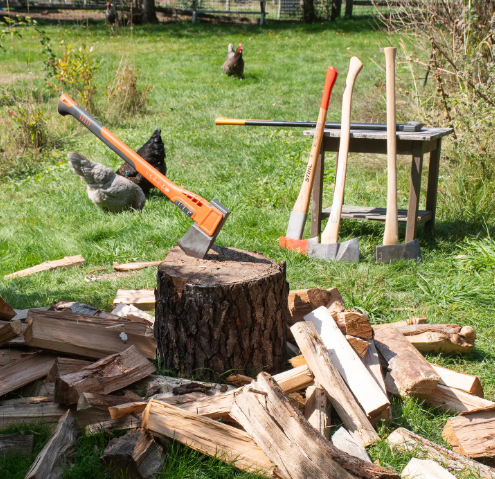
Best Hand Forged Axe for Chopping Wood: How to Choose the Right One
Finding the best hand forged axe for chopping wood starts with understanding what makes an axe durable, comfortable, and effective. A quality axe should have a strong steel head, a sharp and properly shaped edge, a secure handle, and enough balance to deliver controlled chopping power. For those interested in traditionally crafted tools, the JW SteelCrafts axe collection offers a variety of hand forged axes designed for different outdoor and wood-processing applications.
Whether you are preparing firewood, clearing small branches, working around a homestead, or enjoying outdoor activities, choosing an axe that matches the job can make wood processing considerably easier. The right combination of head weight, handle length, steel quality, and edge geometry can also improve control and reduce unnecessary effort.
What Makes a Hand Forged Axe Good for Chopping Wood?
A hand forged axe is more than a traditional-looking tool. Its performance depends on several design and construction factors that determine how efficiently it cuts wood.
Durable Axe Head
The axe head is responsible for transferring the force of each swing into the wood. A quality head should be made from suitable steel and properly heat-treated to provide a useful balance of hardness and toughness.
High-carbon steel is commonly used in quality axes because it can provide good edge performance while remaining durable enough for repeated impact when properly manufactured.
Sharp and Suitable Cutting Edge
The cutting edge should be sharp and shaped according to the intended purpose. A chopping axe generally uses an edge geometry designed to cut through wood fibers efficiently.
A splitting axe, on the other hand, usually has a more pronounced wedge-shaped profile that helps force wood apart along the grain.
Balanced Design
Balance is particularly important when choosing an axe. A head that is too heavy can make repeated swings tiring, while an axe that is too light may not provide enough momentum for larger pieces of wood.
The best choice is one that feels natural and controllable throughout the swing.
Hand Forged Axe vs. Mass-Produced Axe
Hand forged and factory-made axes can both be effective tools, but their manufacturing processes are different.
Traditional Forging Process
During hand forging, heated steel is shaped into an axe head through controlled hammering and forming. The head is then ground, finished, and heat-treated before the handle is fitted.
This traditional process gives craftsmen considerable control over the final shape and proportions of the axe head.
Steel and Heat Treatment
The term “hand forged” should not be the only factor considered when buying an axe. Steel quality and heat treatment have a major influence on durability and edge performance.
A well-made axe should have an edge that is hard enough to remain sharp but tough enough to withstand normal impact.
Handle Quality
The handle plays an equally important role. Traditional wooden handles are popular for axes because they provide a comfortable grip and can absorb some vibration.
Hickory is especially common in traditional axe handles because of its strength and shock-resistant characteristics.
Choosing the Right Axe for Different Wood-Chopping Jobs
Not every axe is designed for the same task. Before purchasing one, consider the size and type of wood you will be processing.
Small Branches and Kindling
For small branches, kindling, and light outdoor work, a compact axe or hatchet is often more convenient than a full-sized chopping axe.
Its shorter handle makes it easier to transport and control during lighter tasks.
Medium Firewood
A medium-sized chopping axe can be a practical choice for processing smaller and medium-sized logs. It provides a useful balance between cutting power and maneuverability.
For people who regularly prepare firewood by hand, choosing a manageable axe can help reduce fatigue during longer sessions.
Large Logs and Wood Rounds
Large rounds may require a dedicated splitting axe rather than a conventional chopping axe. Splitting axes are designed to separate wood along its grain using a wider wedge-shaped head.
Using the correct tool for the job is generally more efficient than relying on one axe for every type of wood.
Why Consider a Handmade Hatchet?
Not every wood-processing task requires a large axe. A handmade hatchet can be a practical option when portability, control, and compact size are more important.
For example, campers, hunters, bushcraft enthusiasts, and property owners may find a smaller tool useful for processing branches and preparing kindling. Those interested in traditionally crafted compact tools can explore JW SteelCrafts handmade hatchets as another option for lighter outdoor wood-processing work.
Compact and Portable
A hatchet is easier to carry than a full-sized axe, making it suitable for camping trips and other situations where equipment weight matters.
Easy to Control
The shorter handle allows greater control for smaller cutting tasks. This can make a hatchet practical when precision matters more than maximum chopping power.
Useful for Outdoor Work
A quality hatchet can handle tasks such as cutting small branches, preparing kindling, and other light wood-processing jobs.
Important Features to Consider Before Buying
Several specifications should be considered when selecting a hand forged axe.
Axe Head Weight
Head weight influences both chopping power and user fatigue. Heavier axes can generate greater momentum, but they also require more effort and control.
Choose a weight appropriate for your physical ability and the size of wood you normally process.
Handle Length
Longer handles can provide additional leverage and swing distance, while shorter handles offer greater portability and maneuverability.
The ideal handle length depends on your height, experience, and intended use.
Edge Geometry
The shape and thickness of the cutting edge affect how the axe enters and releases from the wood.
For chopping, an appropriate cutting profile can help the axe bite into wood efficiently without excessive resistance.
Secure Head-to-Handle Connection
A properly fitted axe head should remain secure during use. Inspect the connection regularly and do not use an axe if the head becomes loose or the handle shows serious damage.
How to Maintain a Hand Forged Axe
Proper maintenance helps preserve an axe’s performance and appearance.
Sharpen the Edge Regularly
A dull axe can require more effort and make controlled chopping more difficult. Regularly inspect the edge and sharpen it using a suitable file or sharpening stone.
Avoid removing excessive material during sharpening.
Protect the Steel From Rust
Steel can develop corrosion when exposed to moisture. After using the axe, wipe the head dry and store it in a dry environment.
A light protective coating can also help protect the steel during extended storage.
Inspect the Handle
Check the handle regularly for cracks, splitting, looseness, or excessive wear. Any significant damage should be addressed before the axe is used again.
See also: Why Cellular POC Radios Are Transforming Professional Communication in Mexico
Final Thoughts
The best hand forged axe for chopping wood is ultimately the one that matches your specific requirements. Head weight, steel quality, heat treatment, edge geometry, handle length, balance, and construction all contribute to how well an axe performs.
For larger firewood and demanding chopping tasks, a properly balanced full-sized axe can provide the power and reach required. For branches, kindling, camping, and lighter work, a compact hatchet may be more practical.
By choosing the right tool for the task and maintaining it properly, you can get dependable performance from a hand forged axe for years of outdoor wood-processing work.