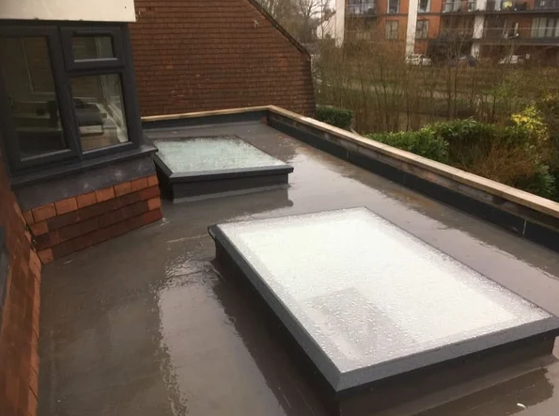

Natural light can change the way an indoor space looks and feels. Rooms that receive sufficient daylight often appear more open, while poorly illuminated areas may depend heavily on artificial lighting throughout the day. In buildings with flat roofs, conventional windows do not always provide enough light to reach central rooms, corridors, kitchens, and shared spaces. Fixed flat roof skylights offer a practical option by bringing daylight directly through the roof.
Unlike opening roof windows, fixed skylights are designed primarily to provide light rather than ventilation. Their simple construction makes them suitable for residential extensions, offices, commercial properties, and other buildings where additional daylight is needed without requiring an opening mechanism.
Bringing Daylight into Areas That Windows Cannot Reach
Wall windows are useful for illuminating rooms close to the building’s external walls. However, their effectiveness decreases in deeper floor plans. A large room may receive good light near its windows while the central area remains relatively dark.
Fixed flat roof skylights address this limitation by introducing light from above. Since they are installed in the roof, they can illuminate spaces that have limited access to external walls.
This is particularly useful in single-storey extensions, open-plan kitchens, internal hallways, and ground-floor living areas. A skylight positioned above a central section of the room can distribute daylight across an area that would otherwise require several artificial light fittings.
The final result depends on the size of the skylight, roof height, glazing specification, and the direction of sunlight throughout the day.
See also: How Veterinary Hospitals Deliver Compassionate End Of Life Care
How Fixed Skylights Influence Interior Appearance
Daylight affects the appearance of colours, materials, and finishes. Natural illumination can make timber flooring, painted walls, stone surfaces, and furniture appear different from how they look under artificial lighting.
A fixed roof skylight can create a brighter atmosphere without requiring additional wall openings. This is especially helpful in contemporary interiors that use open layouts and minimal internal partitions.
Rooms with limited natural light may feel enclosed, even when they have sufficient floor space. Bringing light from above can reduce this effect and create a stronger visual connection with the outdoor environment.
Skylights can also become an architectural feature. A carefully positioned unit may create an interesting pattern of daylight on the floor or walls as the sun moves throughout the day.
Choosing the Right Glazing for Daylight and Comfort
The glazing specification determines how much visible light enters a building and how the skylight responds to changing outdoor temperatures.
Clear glazing allows a high level of daylight transmission and provides a direct view of the sky. However, it may also introduce stronger sunlight and glare, particularly in rooms that receive intense afternoon exposure.
Diffused or opal glazing spreads incoming light more evenly. This can be useful in workspaces, kitchens, and shared areas where concentrated sunlight may cause discomfort.
Double-glazed systems may offer improved thermal performance compared with basic single-glazed options. The overall specification should consider insulation, solar heat gain, safety, and the climate in which the building is located.
Low-emissivity coatings and other specialist glazing technologies may also help manage heat transfer while maintaining useful daylight levels.
Fixed Skylights and Energy Consumption
One of the main advantages of introducing more daylight is the potential reduction in artificial lighting use.
Rooms that previously required electric lights throughout the daytime may need less artificial illumination after a skylight is installed. The level of energy savings depends on factors such as occupancy, skylight dimensions, local weather, and the existing lighting system.
Daylight sensors can improve these benefits by automatically adjusting indoor lighting according to the amount of natural illumination available. For example, lights can dim when sunlight is sufficient and increase brightness during cloudy conditions.
Thermal performance also needs attention. A poorly insulated roof opening can allow unwanted heat to escape during winter or enter during summer. Choosing an appropriately rated skylight and ensuring correct installation helps manage these concerns.
Where Fixed Flat Roof Skylights Work Particularly Well
Different building layouts offer different opportunities for roof glazing.
In residential properties, kitchens and dining areas are common locations. These rooms often benefit from additional daylight because they are used regularly throughout the day. A skylight above a kitchen island or dining table can provide useful illumination without taking up wall space.
Bathrooms can also benefit from fixed skylights. Many bathrooms have limited external windows, and roof glazing can introduce natural light while maintaining privacy.
Commercial interiors provide another suitable application. Offices, reception areas, meeting rooms, and corridors may all benefit from daylight entering through the roof.
In retail settings, natural light can help make display areas appear brighter. However, glare and direct sunlight should be considered when choosing the glazing type, especially where products may be affected by prolonged UV exposure.
Flat Roof Design and Waterproofing Requirements
A flat roof skylight must be installed with careful attention to drainage and weather protection. Although the roof may appear level, most flat roofing systems include a slight fall to direct rainwater towards drainage outlets.
The skylight should be positioned and installed in a way that does not obstruct water movement. Its raised kerb or upstand must be compatible with the roof covering and provide a secure mounting surface.
Flashing and waterproof membranes should be correctly integrated around the opening. Poor detailing can allow water to collect near the frame or penetrate the roof structure.
Condensation is another consideration. Differences between indoor and outdoor temperatures can cause moisture to form on poorly insulated surfaces. Appropriate glazing, frame design, and insulation help reduce this risk.
Professional installation is advisable, particularly where the roof is part of an occupied building or where structural alterations are required.
Maintenance for Consistent Light Transmission
Dust, leaves, bird deposits, and other environmental contaminants can gradually reduce the amount of daylight entering through a skylight.
Periodic cleaning helps maintain the glazing’s transparency. The cleaning method should follow the manufacturer’s instructions to avoid scratching the surface or damaging protective coatings.
Property owners should also inspect seals, frames, flashing, and nearby roof coverings. Any signs of moisture, cracking, or deterioration should be addressed before they develop into larger problems.
Because fixed skylights do not contain opening mechanisms, they generally have fewer moving components than ventilating roof windows. However, their weatherproofing still requires attention over time.
Planning a Skylight Installation
The position of a fixed flat roof skylight should be determined by the layout and intended use of the room. A unit placed directly above a working area may provide useful task lighting, while one positioned centrally can improve general illumination.
Architects and installers should assess roof structure, available space, insulation, drainage, and glazing performance before selecting a product.
A well-planned fixed skylight can make an indoor space brighter while reducing dependence on artificial lighting during daylight hours. Its value comes from the way it responds to the building’s layout, climate, and everyday use rather than simply the size of the glazed opening.